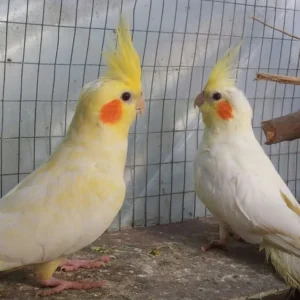
White Albino Cockatiel
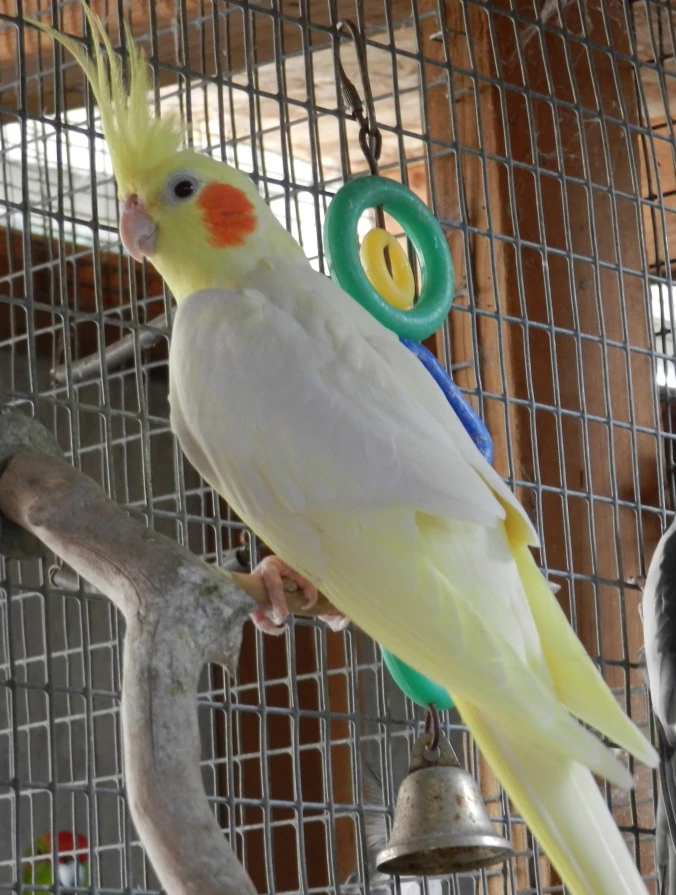
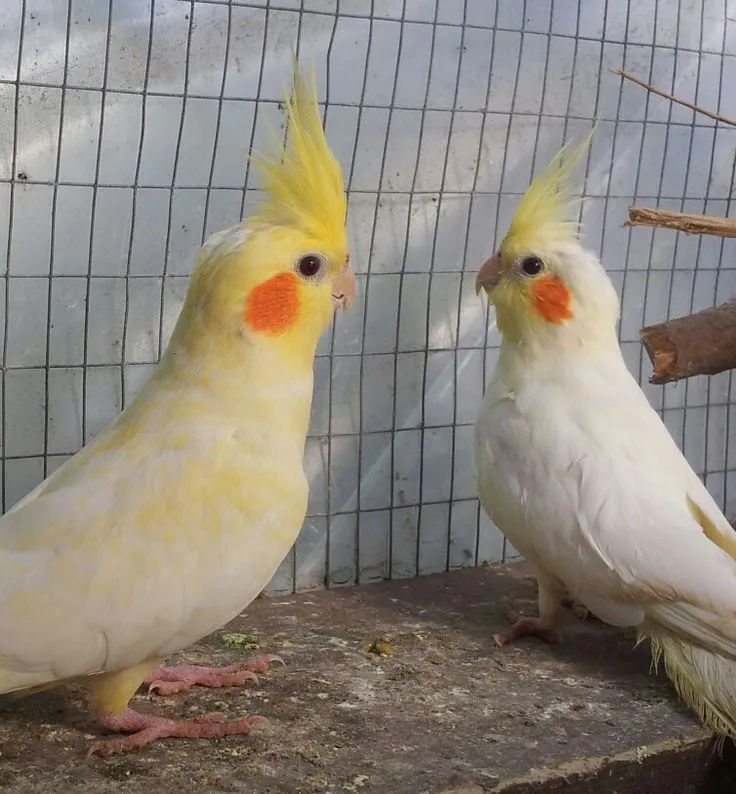
White Albino Cockatiel (Nymphicus hollandicus, specifically the Albino mutation), often simply called the Albino Cockatiel or White ‘Tiel, is one of the most mesmerizing and uncommon color variations of the Cockatiel, a diminutive parrot species native to the Australian outback. With its pristine white plumage that seems to glow under soft light, piercing red eyes, and delicate pink feet, this mutation evokes an image of a living snowflake or a mythical bird from folklore. Bred exclusively in captivity, the White Albino Cockatiel represents the pinnacle of selective breeding’s creativity, blending the White Albino Cockatiels natural sociability and intelligence with a visually stunning, albeit delicate, form. However, its rarity and genetic traits demand specialized care, making it a fascinating subject for bird enthusiasts, breeders, and researchers. In this expanded guide, we’ll journey through its genetic origins, physical marvels, behavioral nuances, habitat adaptations, health considerations, conservation context, and cultural resonance, offering a detailed portrait of this avian rarity.
Origins and Genetics: The Science Behind the Snowy Spectacle
White Albino Cockatiel, the smallest members of the cockatoo family, originate from the harsh, arid interiors of Australia, where they evolved to thrive in sparse, water-scarce environments. The Albino mutation, however, is a product of human intervention, emerging from the world of aviculture (bird breeding) in the mid-20th century.
- Genetic Foundations: Albinism in Cockatiels is caused by a recessive autosomal gene that disrupts the production of melanin, the pigment responsible for colors like black, brown, and gray. Without melanin, feathers appear white, eyes lack protective pigment (resulting in red or pink hues from visible blood vessels), and skin/beak/legs take on a pale, translucent quality. This gene is inherited recessively, meaning both parent birds must carry it for offspring to express the full Albino phenotype. Heterozygous carriers (one gene) may show partial traits, like diluted colors.
- Historical Development: The White Albino Cockatiel mutation was first documented in the 1960s, likely arising spontaneously in breeding lines in the United States and Australia. Breeders, captivated by its ethereal beauty, selectively paired carriers to produce true Albinos. By the 1980s, stable lines were established, though Albinos remain rarer than other mutations (e.g., Lutino or Pearl) due to associated health challenges and breeding difficulties. Today, they’re bred by specialized aviculturists who prioritize genetic health to avoid inbreeding issues.
- Rarity and Ethical Breeding: Only a small percentage of White Albino Cockatiel breeders produce Albinos, as the mutation can lead to vulnerabilities. Ethical practices involve DNA testing and health screenings to ensure viable offspring, preventing the propagation of weak lines.
This genetic quirk not only creates visual appeal but also serves as a case study in avian pigmentation disorders, informing broader research on bird genetics.
Physical Description: A Canvas of Pure White
The White Albino Cockatiel embodies elegance in its simplicity, sharing the core anatomy of standard Cockatiels while standing out dramatically due to its pigment deficiency.
- Size and Overall Build: Measuring 12-13 inches (30-33 cm) in total length, including the tail, and weighing a mere 3-4 ounces (85-120 grams), these birds have a compact, slender frame with a wingspan of 10-12 inches (25-30 cm). Their body is streamlined for agile flight, featuring a distinctive erectile crest on the head that can fan out to express emotions, and a long, tapered tail that aids in balance and maneuvering.
- Plumage Details: The hallmark of the Albino is its flawless white feathers, devoid of any gray, yellow, or patterned markings. This uniform whiteness gives the bird an almost luminous quality, especially in natural or diffused light. The feathers are soft and downy, with a subtle sheen that can appear iridescent under certain angles. Unlike pigmented Cockatiels, Albinos lack the orange cheek patches and yellow facial accents of their wild-type cousins.
- Facial and Sensory Features: Eyes are a striking red or deep pink, caused by the absence of melanin in the iris, allowing underlying blood vessels to show through. The beak is pale pink or white, as are the feet and legs, which can look almost translucent. The crest, when raised, contrasts sharply against the white head, adding to their expressive charm.
- Sexual Dimorphism and Age Differences: Males tend to have broader, more pronounced crests and slightly brighter (if possible) whites, while females have narrower crests and a more subdued appearance. Juveniles may exhibit faint grayish tinges or markings that fade as they mature, typically within 6-9 months. In flight, the white wings reveal delicate, translucent edges, creating a ghostly silhouette.
- Unique Vulnerabilities: Without melanin, Albinos are highly sensitive to ultraviolet (UV) light, which can cause sunburn on exposed skin. White Albino Cockatiel red eyes may also lead to vision issues in bright environments, necessitating shaded habitats.
This pristine appearance has inspired nicknames like “angel birds” or “snow parrots,” though it comes with practical care demands.
Habitat and Natural Range: From Australian Deserts to Domesticated Dens
In the wild, White Albino Cockatiel are adapted to Australia’s central arid zones, including deserts, scrublands, and grasslands, where they forage for seeds and water in sparse, open terrains. The White Albino mutation, being a captive innovation, has no natural occurrence—it’s entirely dependent on human environments for survival.
- Captive Habitat Needs: White Albino Cockatiel require warm, controlled settings mimicking their ancestral climate, ideally 70-80°F (21-27°C) with low humidity (30-50%) to avoid respiratory stress. Shaded enclosures are crucial to prevent UV damage; indoor aviaries or cages with UV-blocking windows work best. Provide ample space for flight (at least 2×3 feet for a single bird), perches at varying heights, and hiding spots to reduce stress.
- Environmental Adaptations: As pets, they’re hardy once acclimated but need protection from drafts, direct sunlight, and temperature extremes. Outdoor access should be limited to shaded, predator-free areas. Their domestication means they’re fully reliant on owners for food, water, and safety, thriving in homes where they can interact socially.
This shift from wild nomad to pampered pet underscores the evolution of avian-human relationships.
Behavior and Ecology: Gentle Souls with a Social Spark
White Albino Cockatiel are inherently social, intelligent creatures, and White Albinos amplify these traits with a touch of delicacy, often appearing more subdued than their colorful counterparts.
- Social Structure and Communication: Highly gregarious, they form strong bonds with owners or flock mates, often seeking physical contact like cuddles or preening. In multi-bird setups, they’re peaceful, using a repertoire of vocalizations—soft whistles, chirps, and contact calls—to maintain connections. The crest serves as a mood indicator: raised for excitement, flattened for relaxation. Albinos may be quieter overall, with gentler calls that avoid startling others.
- Intelligence and Enrichment: Despite their small size, White Albino Cockatiel are clever problem-solvers, capable of learning words, tricks, and even simple tunes. Albinos excel in mimicry, though their voices are often softer. Enrichment is vital: toys, puzzles, mirrors, and foraging activities prevent boredom, which can manifest as feather plucking or repetitive behaviors. They enjoy “dancing” to music, bobbing their heads and flapping wings in rhythm.
- Diet and Foraging Habits: In the wild, White Albino Cockatiel are granivorous, feeding on seeds, grasses, and occasional fruits. Captive Albinos require a nutritionally balanced diet: 70% high-quality pellets or seeds (e.g., millet, sunflower), 20% fresh produce (apples, carrots, leafy greens), and 10% treats like nuts or berries. Provide grit for digestion and calcium-rich items (e.g., cuttlebone) to support bone health. Fresh water must be available daily, and avoid toxic foods like avocado or chocolate.
- Reproduction and Family Life: Breeding Albinos is uncommon due to health risks, but when attempted, they follow standard Cockatiel patterns. Pairs nest in enclosed boxes, laying 4-6 eggs incubated for 18-21 days. Both parents share duties, with chicks fledging at 4-5 weeks. White Albino Cockatiel may produce fewer viable offspring, so monitoring is key.
- Temperament and Daily Life: Known for their affectionate, “velcro” nature, they often attach to a primary caregiver, showing jealousy or distress if separated. More sensitive than other mutations, they prefer calm routines and can become anxious in noisy or chaotic environments. Their gentle demeanor makes them excellent therapy birds, providing comfort through soft interactions.
This blend of sociability and sensitivity makes them rewarding but attentive companions.
Conservation and Health: Navigating Rarity and Risks
While White Albino Cockatiel are classified as Least Concern by the IUCN, with stable populations across Australia, the Albino mutation exists solely in captivity, raising questions about ethical breeding and welfare.
- Health Challenges: Albinism predisposes them to issues like vision impairment (due to red eyes), sunburn, and weakened immune systems. They’re also prone to common Cockatiel ailments such as fatty liver disease (from poor diets), psittacine beak and feather disease (PBFD), and respiratory infections. Lifespan averages 10-20 years, shorter than pigmented Cockatiels (15-25 years), due to these vulnerabilities. Preventative care includes annual vet check-ups, a varied diet, and UV-protected housing.
- Breeding and Ethical Considerations: Responsible breeders use genetic testing to avoid defects, focusing on health over aesthetics. Overbreeding can exacerbate problems, so many advocate for adopting from rescues rather than purchasing rare birds.
- Global Conservation Tie-In: As popular pets, Albinos highlight the impact of the exotic bird trade on wild populations. Supporting organizations like BirdLife International helps protect White Albino Cockatiel in their native habitats, ensuring the species’ future.
Cultural and Human Connections: Icons of Purity and Wonder
In Aboriginal Australian traditions, White Albino Cockatiel symbolize freedom, resilience, and the spirit of the outback, often depicted in Dreamtime stories as messengers. The Albino mutation adds a layer of mysticism, evoking purity and the supernatural.
- Pet Popularity and Appeal: Despite their rarity, Albinos are cherished for their unique beauty, making them status symbols in aviculture. They’re ideal for quiet homes, serving as emotional support animals with their calming presence.
- Media and Artistic Influence: They’ve appeared in photography, art, and fantasy literature as ethereal beings. In pop culture, they’re featured in bird-themed media, emphasizing themes of rarity and care.
- Community and Advocacy: Online forums and Cockatiel clubs share care tips, fostering a network of owners. Advocacy focuses on education about mutation health, promoting humane breeding.
Fun Facts and Additional Insights
- Lifespan Nuances: With exceptional care, some Albinos live 20+ years, defying averages.
- Vocal Quirks: Their calls are melodic and soft; males may learn 5-10 words.
- Unique Behaviors: They enjoy dim lighting and may “glow” under blacklight due to UV sensitivity.
- Diet Enhancements: Supplements like beta-carotene-rich foods (e.g., sweet potatoes) support eye health.
- Mutation Hybrids: Rarely combined with others (e.g., Albino Pearl), creating even rarer variants.
- Economic and Research Value: Breeding is niche; studies on albinism contribute to avian genetics.
- Mythical Lore: Some cultures view them as omens of good fortune or spiritual guides.
Reviews
There are no reviews yet.
Related products
Cockatiels
Cockatiels
Be the first to review “White Albino Cockatiel”