Jenday Conure
Jenday Conure, scientifically known as Aratinga jandaya, is a small, vibrant parrot that captures the essence of the Brazilian rainforest with its bright plumage and lively personality. Often called the Jendaya Parakeet or Yellow-headed Conure, this species hails from the northeastern coastal forests of Brazil, where it thrives in flocks amidst lush greenery. Jenday Conures have become popular pets worldwide for their affectionate nature, playful antics, and ability to form strong bonds with humans. In this detailed guide, we’ll explore the origins, physical traits, behavior, and care requirements of the Jenday Conure, equipping you with the knowledge to appreciate and care for this delightful bird. Whether you’re considering one as a pet or simply fascinated by exotic parrots, this article will reveal the charm of the Jenday Conure.
What is a Jenday Conure?
The Jenday Conure is a member of the Aratinga genus, closely related to other conures like the Sun Conure and Nanday Conure. Native to Brazil’s tropical regions, these birds are adapted to a life in the canopy, feeding on fruits, seeds, and flowers. In the wild, they live in large flocks, communicating with loud calls and displaying social behaviors that make them engaging companions. As pets, Jenday Conures are known for their manageable size—about 12 inches long and weighing 4-5 ounces—and their long lifespan of 25-30 years with proper care. They are not endangered but are protected to prevent over-exploitation, so adopting from reputable breeders is encouraged. Their popularity stems from their beauty and intelligence, making them a great choice for bird enthusiasts.
Physical Characteristics of the Jenday Conure
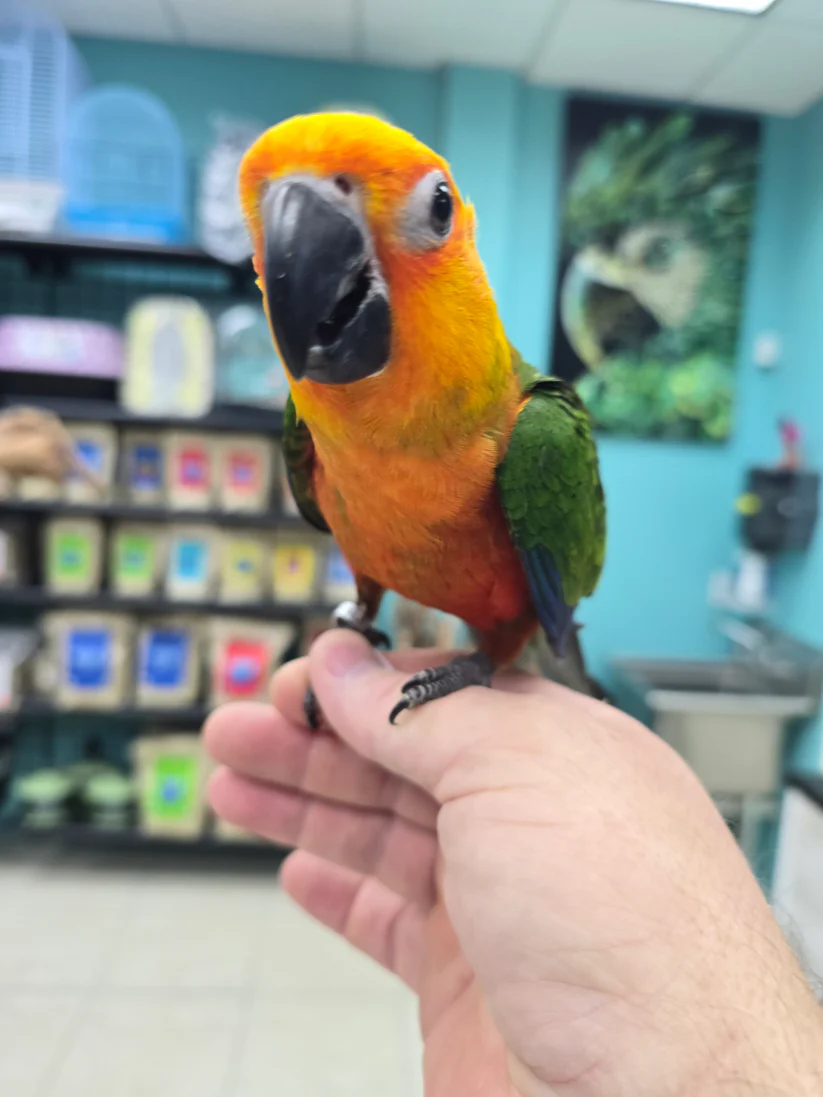
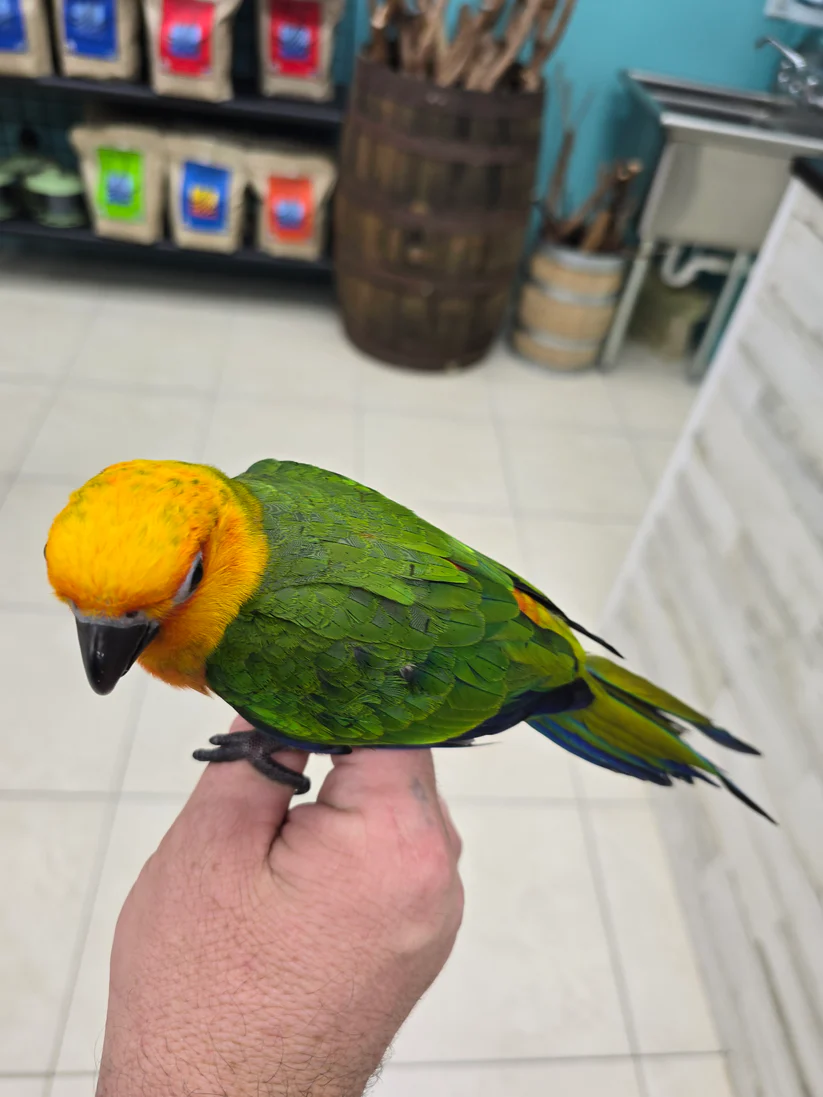
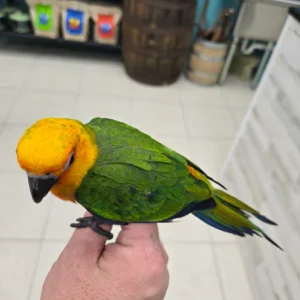
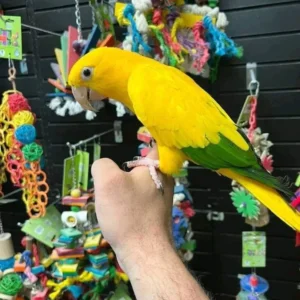
One of the Jenday Conure’s most striking features is its colorful plumage, which serves as both camouflage in the wild and a visual spectacle in captivity. The head is adorned with bright yellow feathers, often blending into orange or red hues around the face. The body is primarily green, transitioning to a vibrant orange on the chest, abdomen, and undertail coverts. Wings are green with blue edges, and the tail is long and pointed, featuring shades of green, blue, and red. The beak is sturdy and horn-colored, ideal for cracking nuts, and the eyes are surrounded by a white ring, giving the bird an alert, curious expression. Males and females are similar in appearance, though males may be slightly larger. Their zygodactyl feet (two toes forward, two back) are perfect for perching and climbing. This vivid coloration not only makes them eye-catching but also highlights their active, acrobatic lifestyle.
Behavior and Personality of the Jenday Conure
Jenday Conures are renowned for their outgoing, affectionate, and playful personalities, often described as the “clowns” of the parrot world. These social birds thrive on interaction and can become very attached to their owners, sometimes acting like loyal companions that demand attention. They are intelligent and can learn tricks, mimic sounds, and even speak simple words, though their primary vocalizations are whistles, squawks, and calls. Playful by nature, Jenday Conures love toys, chewing on wood, and engaging in games, but they can be noisy, especially when excited or seeking attention. As flock animals, they prefer company and may suffer from loneliness if isolated, leading to behaviors like excessive screaming or feather plucking. Early socialization helps them adapt well to families and other pets. Their energetic nature, including hanging upside down and playful chasing, makes them entertaining and joyful additions to any household.
Care and Maintenance for Your Jenday Conure
Proper care for a Jenday Conure involves providing a stimulating environment that supports their physical and mental health. A spacious cage—minimum 24x24x24 inches—is essential, made from non-toxic materials with horizontal bars for climbing. Include multiple perches, toys, and enrichment like foraging puzzles to keep them engaged. Daily supervised out-of-cage time allows for exercise and bonding in a safe, bird-proofed space. Bathing is key for feather health; offer a shallow dish of water or mist them gently.
Diet plays a vital role in their well-being. Base nutrition on high-quality conure pellets, enriched with fresh fruits (e.g., apples, berries) and vegetables (e.g., carrots, spinach). Treats like nuts and seeds should be limited. Fresh water must be available daily. Monitor weight and consult a vet for tailored advice. Regular grooming, such as nail clipping, ensures comfort.
Health Considerations for the Jenday Conure
Jenday are generally robust, but they can face issues like feather plucking from stress, nutritional imbalances, or infections. Watch for signs of illness, such as lethargy or abnormal droppings, and seek veterinary care promptly. Preventative measures include cleanliness, a balanced diet, and mental stimulation. Annual or bi-annual check-ups with an avian vet are recommended to maintain health.
Breeding and Conservation of the Jenday Conure
In the wild, Jenday nest in tree holes, laying 3-4 eggs. Captive breeding requires expertise and is best left to professionals. Conservation is important, as habitat loss affects wild populations, though they are not critically endangered. Choose pets from ethical sources to support sustainability.
The Appeal of Owning a Jenday Conure
Owning a Jenday brings tropical vibrancy and companionship to your life. Their colors brighten spaces, and their playful nature creates bonds. They require commitment but reward with joy. For parrot lovers, they offer an accessible entry into avian care.
Conclusion: Embracing the Jenday Conure
The Jenday represents the fun and colorful side of parrots, with its lively spirit and affectionate demeanor promising endless entertainment. Through dedicated care, you can enjoy a fulfilling relationship with this tropical gem. If birds intrigue you, the Jenday Conure invites exploration of parrot ownership. Refer to reliable avian resources for more insights and ensure a happy, healthy bond.
Reviews
There are no reviews yet.
Related products
Conure
Conure
Conure
Conure
Conure
Conure
Conure
Be the first to review “Jenday Conure”