Gold Capped Conure
Gold Capped Conure (Aratinga auricapillus) is a small to medium-sized parrot native to the Andean foothills of Colombia, Ecuador, and Peru, where it inhabits dense, mountainous woodlands. These birds are highly social in the wild, living in flocks and foraging for fruits, seeds, and flowers amidst the lush vegetation. In captivity, Gold Capped Conures are prized for their intelligence, playfulness, and relatively quiet nature compared to other conures, though they are not as widely available as species like the Sun Conure. They measure approximately 12-13 inches in length and weigh around 4-5 ounces, with a lifespan that can reach 20-30 years when provided with proper care. Their stable wild populations make them a sustainable choice for pet ownership, but conservation efforts are important to protect their habitats from deforestation. As pets, Gold Capped Conures offer a delightful mix of elegance and energy, appealing to bird owners who value uniqueness. Their adaptation to high elevations highlights their resilience, and in domestic environments, they thrive with socialization and mental stimulation. The species was first documented in the 19th century, and its name “auricapillus” derives from Latin, meaning “golden-haired,” a nod to its distinctive crown.
Physical Characteristics of the Gold Capped Conure
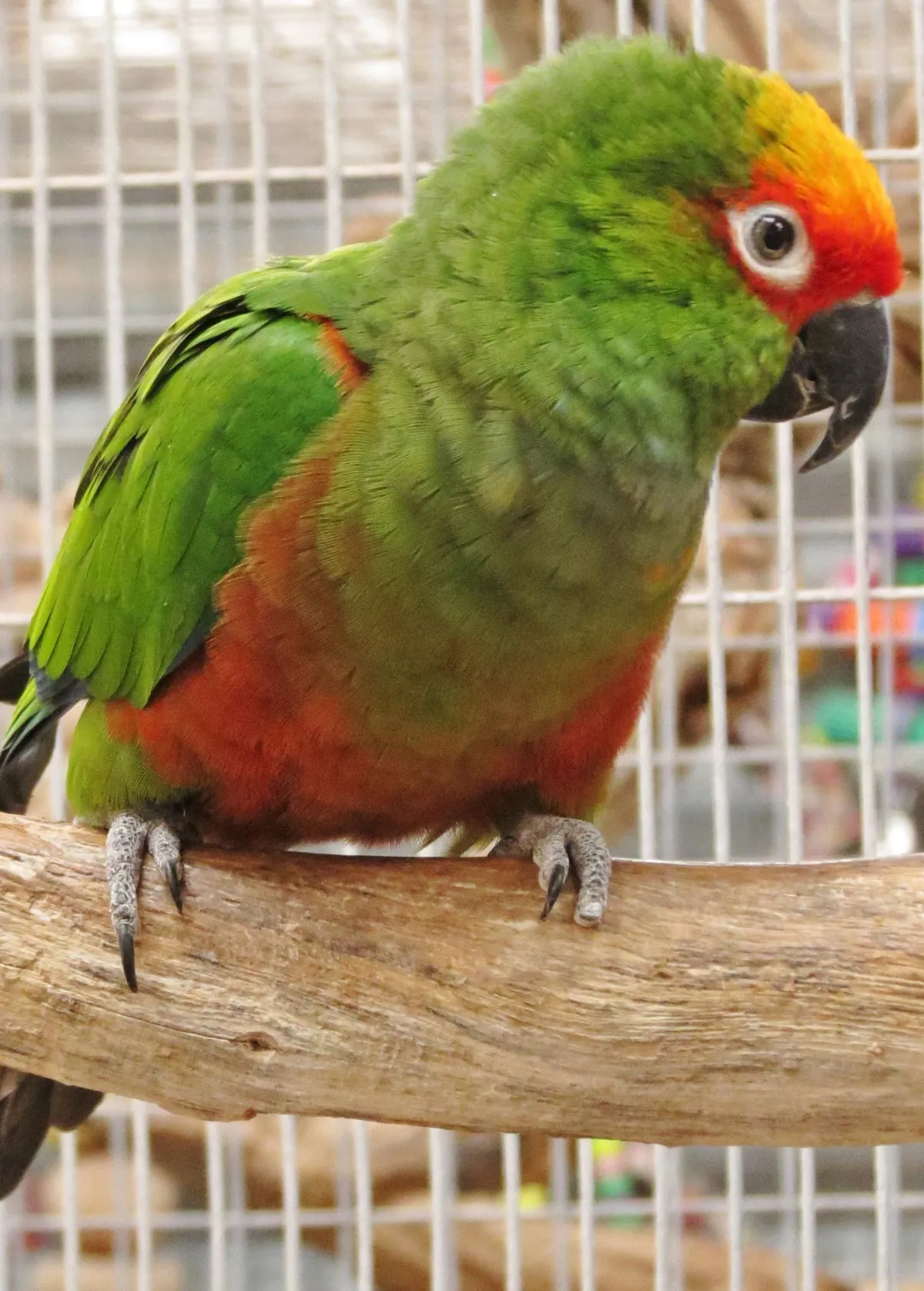
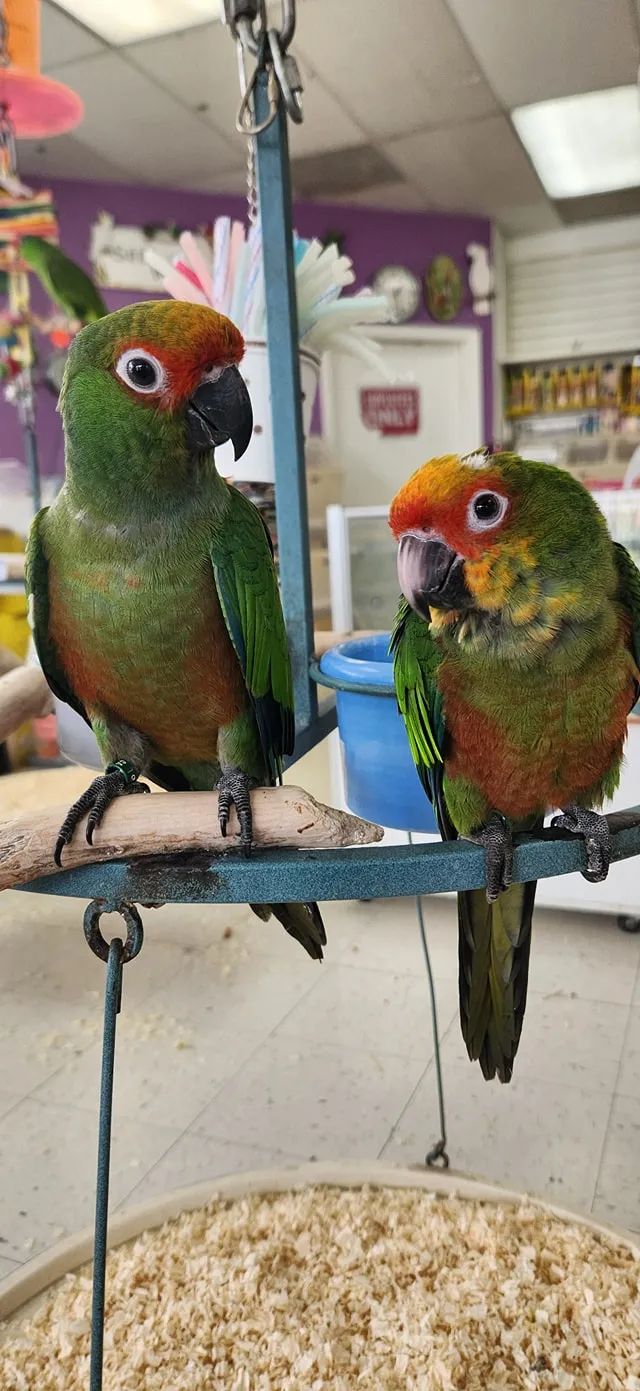
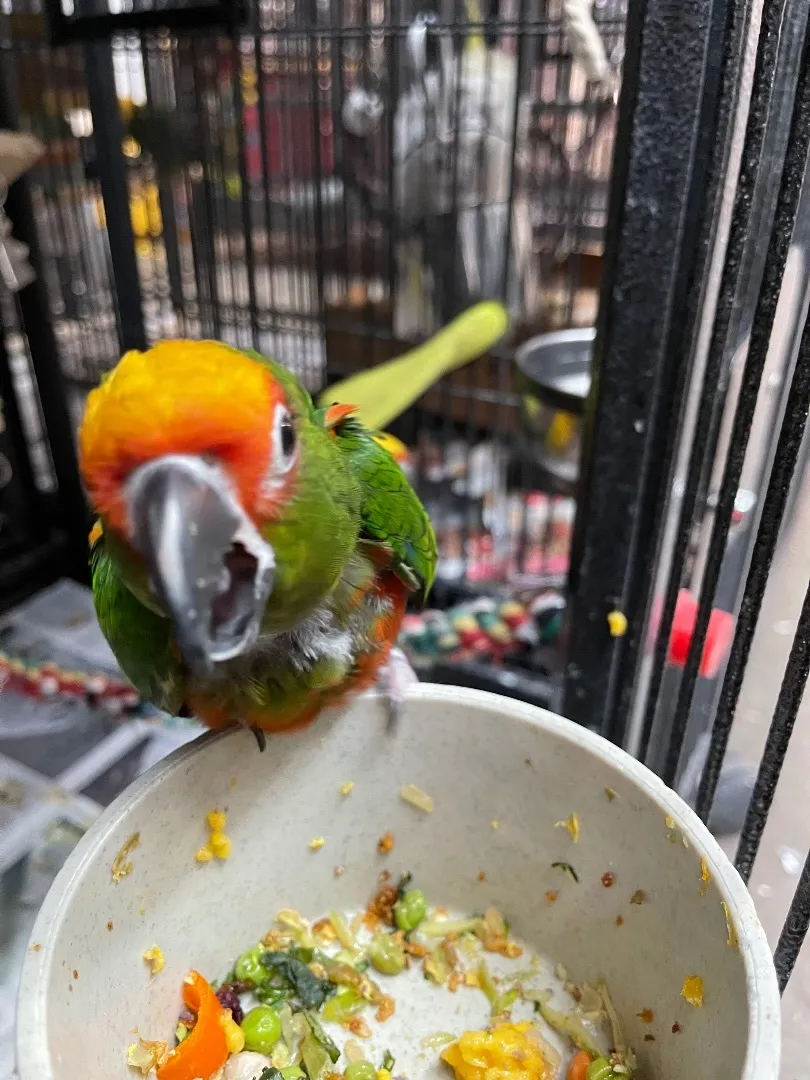
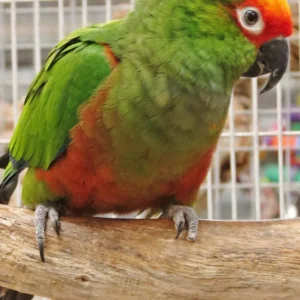
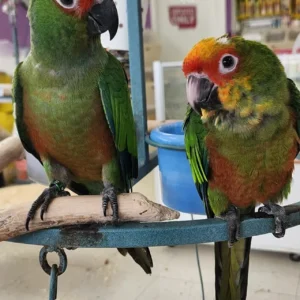
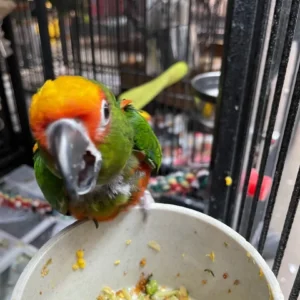
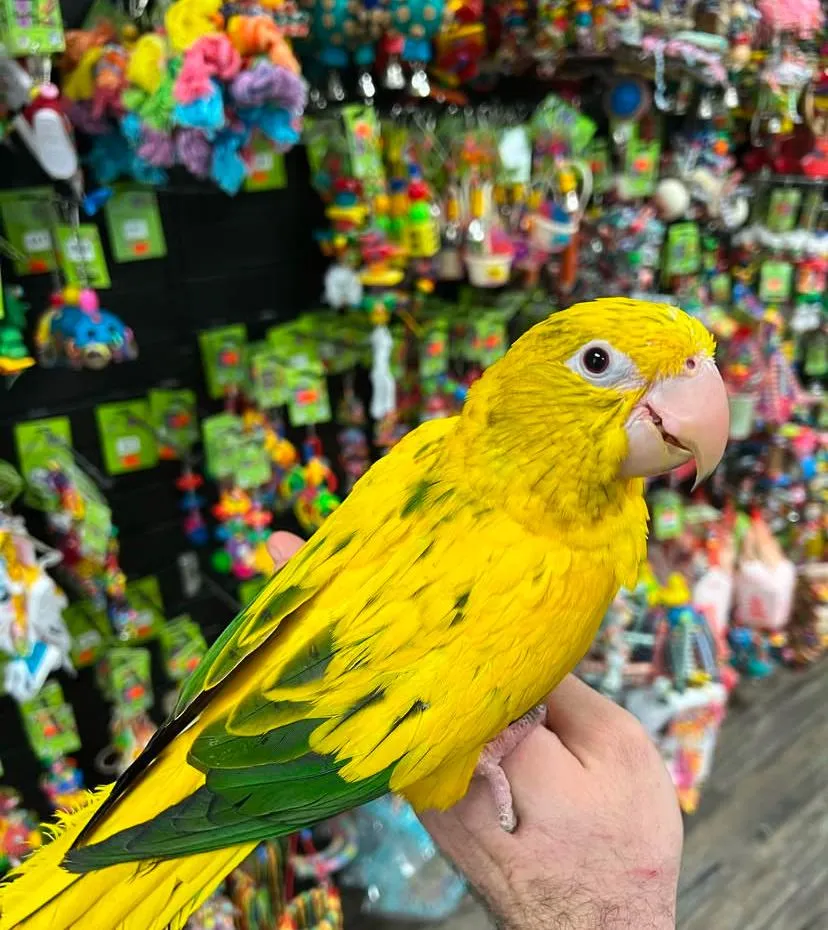
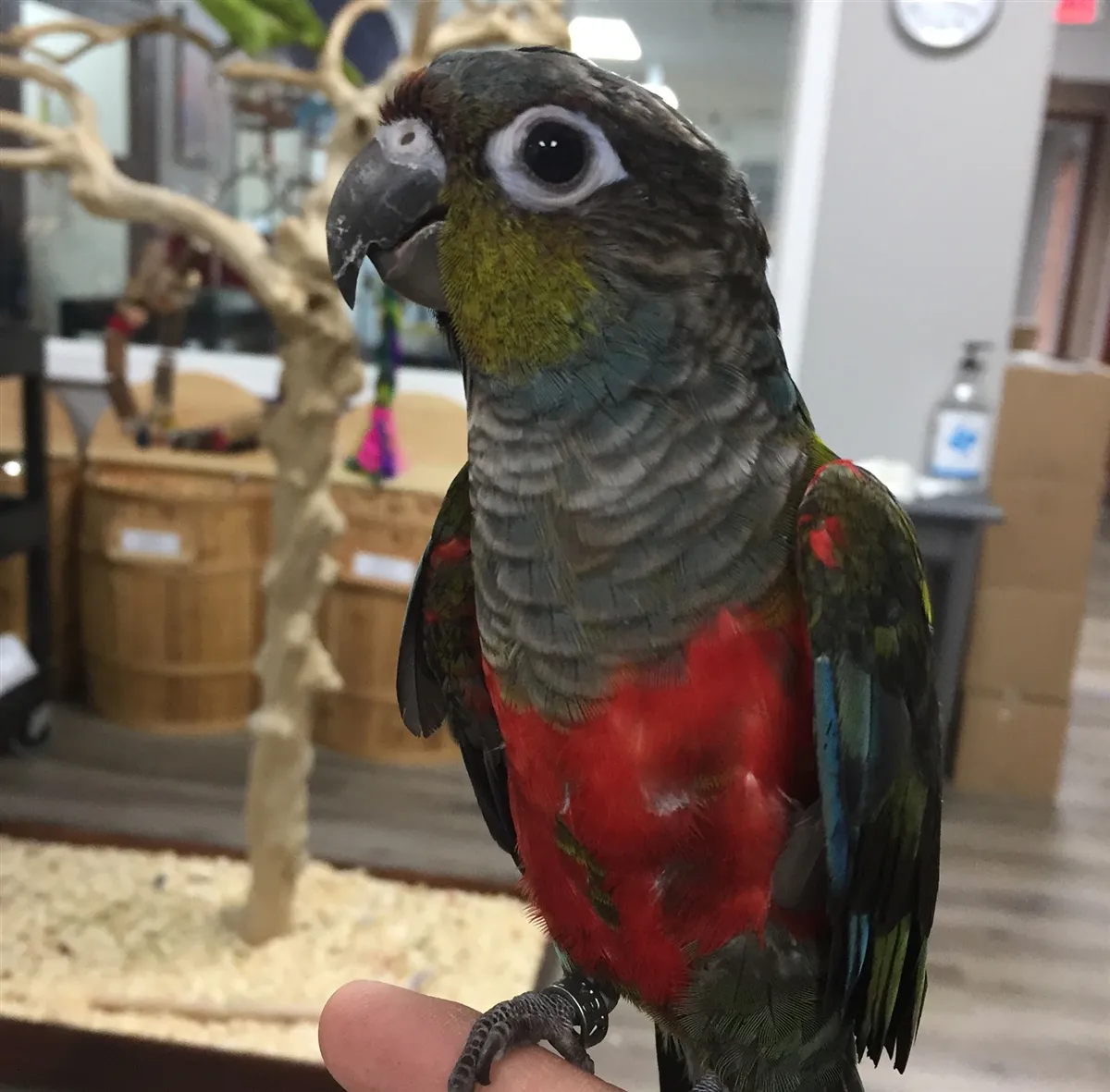
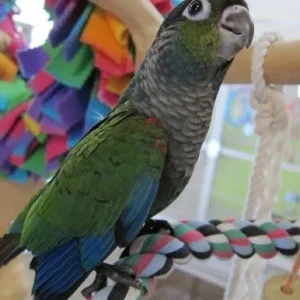
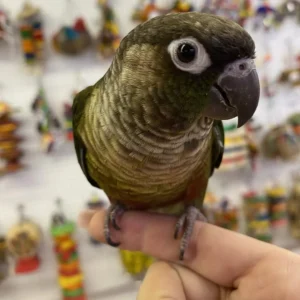
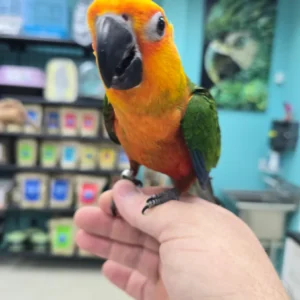
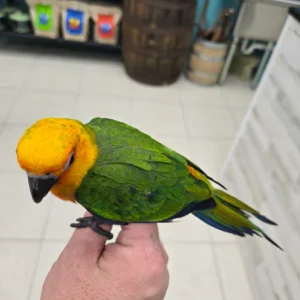
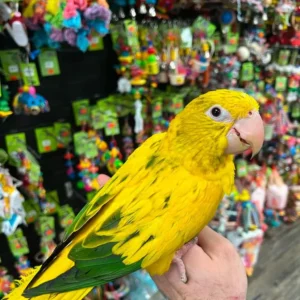
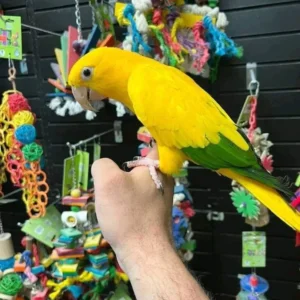
The Gold Capped Conure’s plumage is a harmonious blend of elegance and vibrancy, designed for both camouflage in its natural environment and visual appeal in captivity. The most prominent feature is the golden-yellow crown that adorns the head, giving the bird its name and a regal appearance. The body is primarily green, with red cheeks that add a splash of warmth, and the throat often displays soft orange or yellow hues. Wings are green with blue flight feathers, providing a subtle iridescence, and the tail is long and tapered, featuring a mix of green, blue, and red tones. The beak is sturdy and horn-colored, well-suited for cracking seeds, and the eyes are dark, encircled by a white eye-ring that enhances their alert and curious expression. Males and females are similar in appearance, though males may exhibit slightly brighter colors. Their zygodactyl feet (two toes forward, two back) are perfect for gripping perches and climbing. This coloration not only aids in blending with the Andean foliage but also creates a stunning display in sunlight, with the golden cap shimmering like a precious metal. The overall build is sleek and agile, allowing for swift movements through dense forests.
Behavior and Personality of the Gold Capped Conure
Gold Capped Conures are celebrated for their intelligent, playful, and affectionate personalities, making them excellent companions for those who enjoy interactive relationships with their pets. These birds are highly trainable and can learn tricks, mimic sounds, and even speak a few words, though their vocalizations are more about soft whistles and calls than loud squawks. Social by nature, they form strong attachments to their owners, often seeking cuddles and close proximity, earning them the nickname “velcro birds.” Playful and curious, Gold Capped Conures love toys, puzzles, and games, but they are generally quieter than their conure cousins, making them suitable for apartment living. As flock animals, they require companionship and may become depressed or vocal if left alone for long periods, leading to behaviors like excessive calling or feather plucking. Early socialization is key to fostering a well-adjusted personality, and they typically get along well with other birds and pets when introduced properly. Their energetic antics, such as hanging upside down or engaging in acrobatic play, bring daily joy and entertainment. In the wild, they exhibit cooperative behaviors like group foraging, which translates to their domestic life as loyal and responsive pets.
Care and Maintenance for Your Gold Capped Conure
Caring for a Gold Capped Conure requires attention to their physical, mental, and environmental needs to ensure a long, healthy life. Provide a spacious cage—at least 24x24x24 inches—with horizontal bars for climbing and multiple perches of varying diameters to promote foot health. Include a variety of toys, such as bells, ladders, and foraging puzzles, to stimulate their curious minds and prevent boredom. Daily supervised out-of-cage time is essential for exercise and bonding; create a safe, bird-proofed area to avoid hazards like toxic plants or open windows. Bathing helps maintain their vibrant plumage; offer a shallow water dish or use a gentle mist spray. Place the cage in a well-lit, draft-free location, as their Andean origins make them sensitive to temperature changes. Use natural wood perches to mimic their wild environment and rotate toys regularly to keep them engaged. Social interaction is crucial; dedicate time each day for play and training to strengthen the bond.
Nutrition plays a vital role in the Gold Capped Conure’s well-being. Feed a balanced diet of high-quality conure pellets, supplemented with fresh fruits like apples, berries, and oranges, and vegetables such as carrots, broccoli, and leafy greens. Nuts and seeds should be offered in moderation as treats to avoid nutritional imbalances. Ensure fresh water is available at all times, changed daily. Monitor food intake to maintain a healthy weight, and consult an avian veterinarian for personalized dietary advice. Regular grooming, including nail trimming and beak checks, supports overall hygiene and comfort.
Health Considerations for the Gold Capped Conure
While Gold Capped Conures are generally hardy birds, they can be susceptible to certain health issues if not cared for properly. Common problems include stress-related feather plucking, nutritional deficiencies, and respiratory infections. Signs of illness include lethargy, abnormal droppings, or changes in appetite, so prompt veterinary attention is important. Preventative care involves maintaining a clean environment to prevent bacterial growth and providing a stress-free routine. Routine check-ups with an avian vet, ideally every 6-12 months, are recommended for vaccinations and health screenings. Their high-altitude origins may make them prone to issues in humid or cold conditions, so ensure a stable climate. With proper care, Gold Capped Conures can live vibrant, long lives, but owners should be vigilant about mental health to avoid behavioral problems.
Breeding and Conservation of the Gold Capped Conure
In the wild, Gold Capped Conures breed during the rainy season, nesting in tree cavities and laying 3-4 eggs. Breeding in captivity is possible but requires experienced handlers to ensure the well-being of the birds. Conservation is important, as habitat loss from deforestation threatens their populations, though they are not currently endangered. Responsible breeding focuses on genetic diversity and supports conservation efforts. Potential owners should adopt from reputable sources to avoid contributing to illegal trade. Protecting Andean ecosystems is crucial for the species’ future, and organizations like the IUCN monitor their status.
The Appeal of Owning a Gold Capped Conure
Owning a Gold Capped Conure offers a combination of beauty, intelligence, and companionship that makes them a rewarding pet. Their golden crown adds a touch of elegance, while their playful and affectionate nature fosters deep bonds. These birds teach patience and responsibility, providing years of joy and interaction. For bird enthusiasts, the Gold Capped Conure represents the diversity of South American avifauna, with their unique features making them a standout choice. However, they require commitment to care, including time for socialization and a stimulating environment.
Conclusion: Embracing the Gold Capped Conure
The Gold Capped Conure embodies the charm and resilience of the Andes, with its golden crown and lively personality inviting admiration and connection. From its elegant plumage to its engaging behavior, this parrot promises a lifetime of discovery and companionship. By committing to proper care, you can nurture a thriving relationship with this remarkable species. If exotic birds fascinate you, the Gold Capped Conure encourages exploration of avian care and appreciation. Explore trusted resources on bird health to enhance your knowledge and cultivate a harmonious bond with your feathered friend.
Reviews
There are no reviews yet.
Related products
Conure
Conure
Conure
Conure
Conure
Conure
Conure
Be the first to review “Gold Capped Conure”