
Golden Conure
Golden Conure (Guaruba guarouba) is a medium-sized parrot native to the northern Amazon Basin in Brazil, particularly the states of Pará and Maranhão. These birds inhabit dense tropical rainforests, where they live in small flocks and forage for fruits, seeds, and nuts. In the wild, Golden Conures are elusive and rare, with populations estimated at fewer than 2,500 individuals, earning them an endangered status on the IUCN Red List due to habitat destruction and illegal trapping. In captivity, they are highly prized but scarce, often bred in specialized facilities. Golden Conures measure about 13-14 inches in length and weigh 8-10 ounces, with a lifespan of 30-50 years when properly cared for. Their rarity makes them a symbol of conservation, and owning one often involves supporting preservation efforts. The species was first described in the 19th century and named after Queen Maria II of Portugal, highlighting its historical allure. In their natural environment, Golden Conures play a role in seed dispersal, contributing to forest regeneration, which adds to their ecological importance.
Physical Characteristics of the Golden Conure
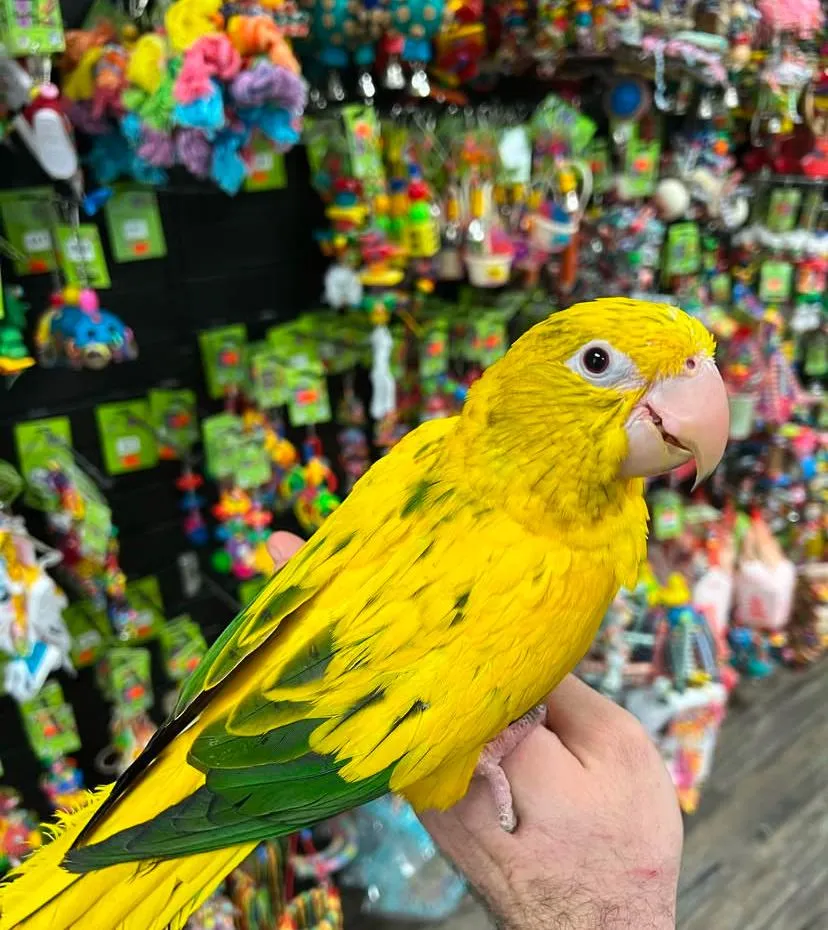
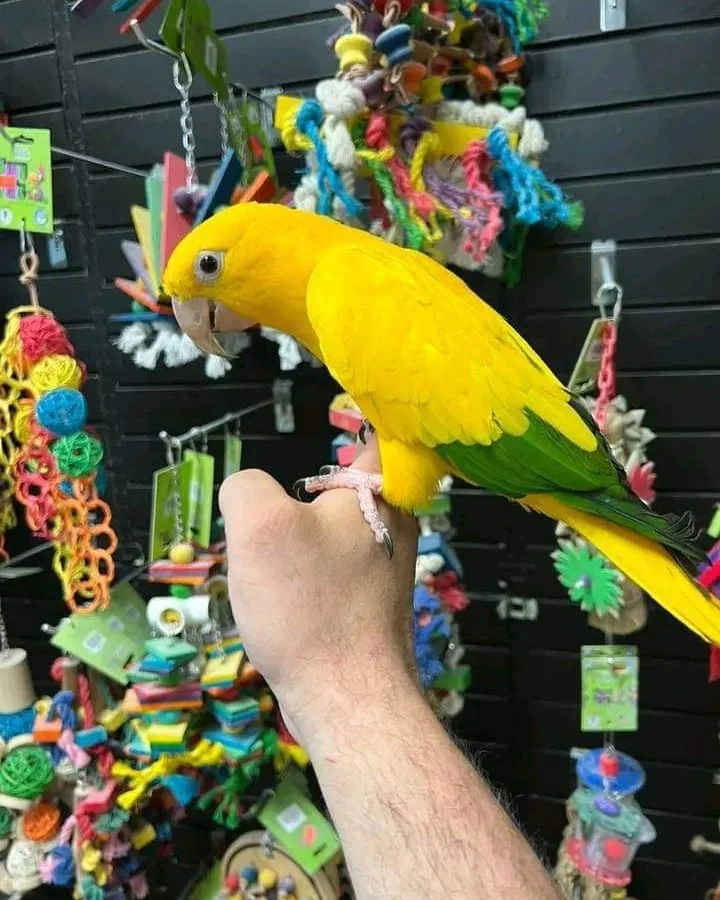
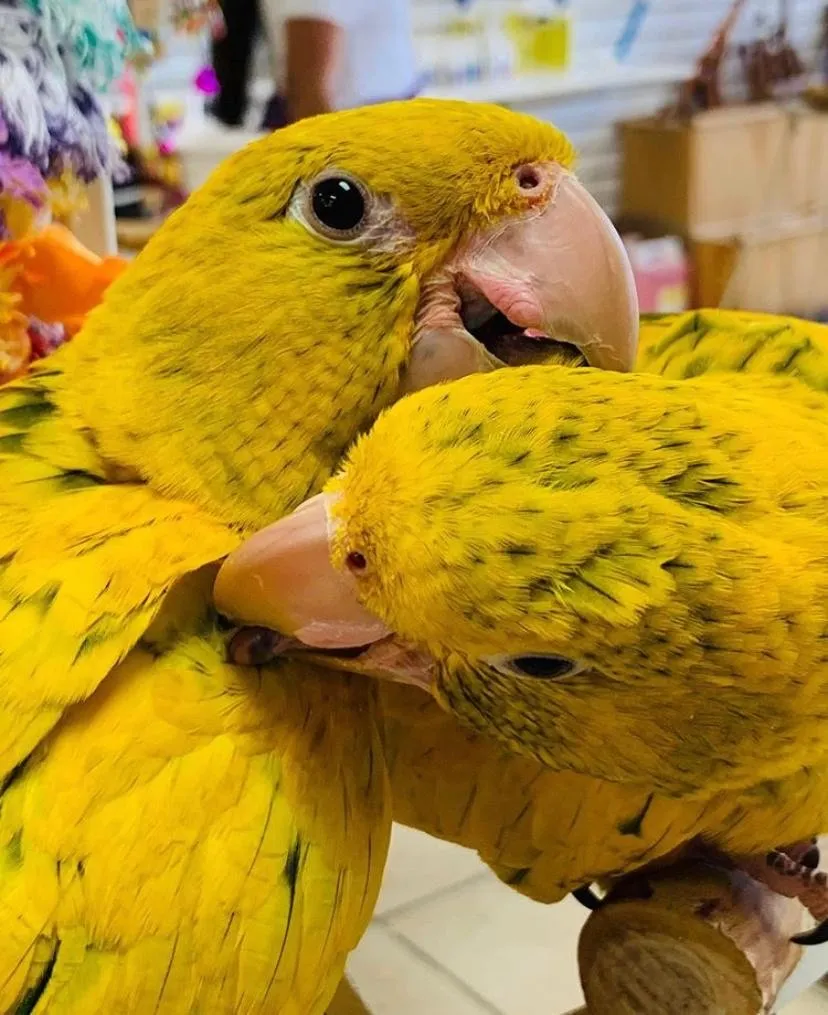
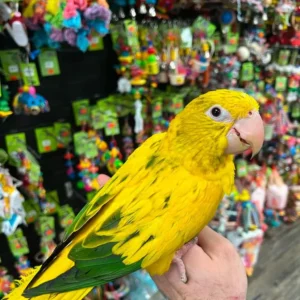
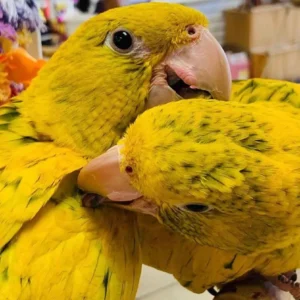
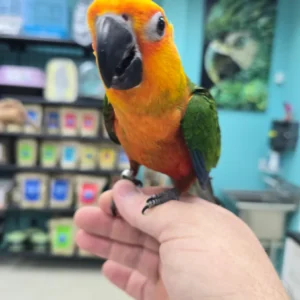
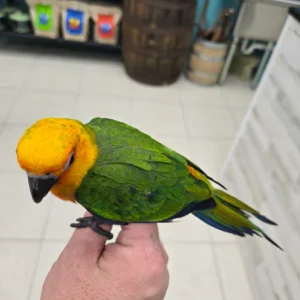
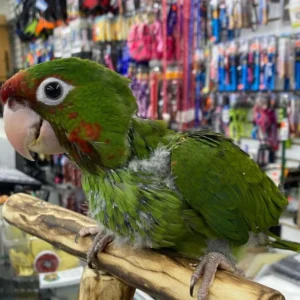
The Golden Conure’s most striking feature is its radiant golden-yellow plumage, which gives it an almost ethereal glow. The entire body is covered in bright yellow feathers, sometimes with subtle green or red accents on the wings and tail, creating a shimmering effect in sunlight. The head is adorned with a golden crown, and the cheeks may have faint red markings. The beak is strong and horn-colored, adapted for cracking hard-shelled foods, and the eyes are dark with a white eye-ring that adds to their alert expression. Males and females are similar in appearance, though males may be slightly larger. Their zygodactyl feet are perfect for gripping branches, and their sleek build supports agile flight through dense foliage. This vivid coloration not only makes them visually stunning but also highlights their adaptation to the vibrant Amazon ecosystem. The feathers are soft and iridescent, reflecting light in a way that mimics the golden hues of the rainforest canopy. Unlike more common conures, the Golden Conure’s plumage lacks the bold patterns of its relatives, opting instead for a uniform golden sheen that symbolizes purity and rarity.
Behavior and Personality of the Golden Conure
Golden Conures are known for their intelligent, playful, and affectionate personalities, making them engaging companions despite their rarity. These birds are highly social and form strong bonds with their owners, often displaying cuddly behaviors like preening and snuggling. Intelligent and trainable, they can learn tricks, mimic sounds, and even speak a few words, though their vocalizations are more about whistles and calls than extensive speech. Playful by nature, Golden Conures love toys, puzzles, and interactive games, but they can be vocal, especially when excited or seeking attention. As flock animals, they thrive on companionship and may become stressed if isolated, leading to behaviors like excessive calling or feather issues. Early socialization helps them adapt to households, and they generally coexist well with other birds. Their energetic antics, such as acrobatic flights and playful chewing, bring joy and vitality to any environment. In the wild, they exhibit cooperative behaviors, such as communal foraging and sentinel duties, which translate to their domestic life as loyal and interactive pets. Owners often describe them as “velcro birds” due to their desire for constant proximity, making them ideal for those seeking a devoted companion.
Care and Maintenance for Your Golden Conure
Caring for a Golden Conure requires a commitment to their complex needs, given their endangered status and specialized requirements. Provide a large cage—at least 36x24x48 inches—with plenty of space for flight and play. Include varied perches, toys, and enrichment like foraging puzzles to stimulate their minds. Daily supervised out-of-cage time is crucial for exercise and bonding in a secure, bird-proofed area. Bathing maintains their golden plumage; offer a shallow water dish or gentle mist. The cage should be placed in a quiet, well-lit area away from drafts, as Golden Conures are sensitive to temperature changes. Provide natural perches like branches to promote foot health, and rotate toys regularly to prevent boredom. Social interaction is key; spend quality time daily to maintain their mental well-being. Due to their rarity, sourcing safe, non-toxic materials is essential to avoid health risks.
Nutrition is vital: Feed a balanced diet of high-quality parrot pellets, fresh fruits (e.g., apples, berries), and vegetables (e.g., carrots, greens). Nuts and seeds in moderation. Fresh water daily. Monitor weight and consult an avian vet for advice. Regular grooming ensures health. A varied diet mimics their wild foraging, including occasional protein sources like cooked eggs. Supplements like calcium may be needed for bone health, especially for breeding birds. Avoid overfeeding fatty foods to prevent obesity, and observe eating habits for signs of dietary issues.
Health Considerations for the Golden Conure
Golden Conures are generally hardy but can face issues like stress-related feather plucking or nutritional deficiencies. Watch for illness signs and seek veterinary care. Preventative care includes cleanliness, stimulation, and check-ups. Due to their rarity, specialized avian vets are recommended. Common health concerns include respiratory problems from poor air quality, so ensure good ventilation. Parasites can be an issue in humid environments, so regular fecal checks are advised. Feather mites or infections may cause discoloration, so monitor plumage closely. With proper care, Golden Conures can live long, healthy lives, but their endangered status means owners should be vigilant about conservation-related health protocols.
Breeding and Conservation of the Golden Conure
In the wild, Golden Conures nest in tree cavities, laying 2-4 eggs. Captive breeding is limited and focused on conservation. Protecting Amazon habitats is essential for their survival. Breeding programs aim to increase captive populations to reduce wild collection pressure. Ethical breeders work with zoos and sanctuaries to ensure genetic diversity. Conservation efforts include habitat restoration and anti-poaching measures, as deforestation threatens their existence. Owning a Golden Conure often involves supporting organizations like the World Parrot Trust.
The Appeal of Owning a Golden Conure
Owning a Golden Conure offers majestic beauty and companionship. Their rarity and intelligence make them special, but they require dedication. The bond formed with these birds is profound, as they reward care with affection and playfulness. For enthusiasts, they represent the thrill of preserving endangered species. However, potential owners must consider the commitment, including space, time, and ethical sourcing.
Conclusion: Embracing the Golden Conure
The Golden Conure represents the splendor of the Amazon, with its golden glow and spirited personality inviting wonder. Through care, foster a meaningful bond. Explore conservation resources for more. This rare bird teaches us about biodiversity and the importance of protecting our planet’s treasures. By choosing to learn about and potentially care for a Golden Conure, you contribute to a larger narrative of preservation and appreciation for the natural world.
Reviews
There are no reviews yet.
Related products
Conure
Conure
Conure
Conure
Conure
Conure
Conure
Be the first to review “Golden Conure”