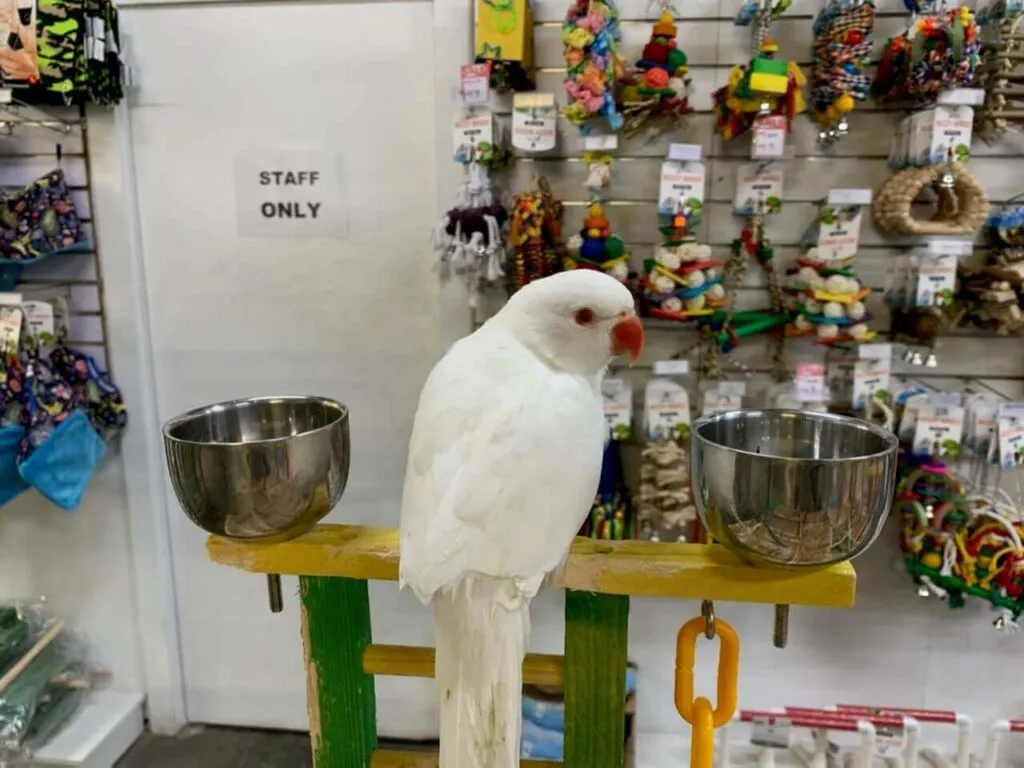
Grey Indian Ringneck Parrot
Grey Indian Ringneck Parrot, also known as the Slate Grey Indian Ringneck, represents a sophisticated and understated beauty in the world of exotic birds. As a color mutation of the Indian Ringneck Parrot (Psittacula krameri), this variant transforms the vibrant green plumage of its wild ancestors into a sleek, monochromatic grey, evoking a sense of timeless elegance. Native to the Indian subcontinent and parts of Southeast Asia, these parrots have been domesticated for centuries, admired not only for their striking appearance but also for their sharp intelligence and remarkable vocal abilities. In this detailed guide, we’ll delve into the origins, characteristics, behavior, and care of the Grey Indian Ringneck Parrot, offering insights for bird enthusiasts and potential owners alike. Whether you’re captivated by its refined look or its engaging personality, this article will help you understand why the grey mutation is a standout choice in the avian community.
What is a Grey Indian Ringneck Parrot?
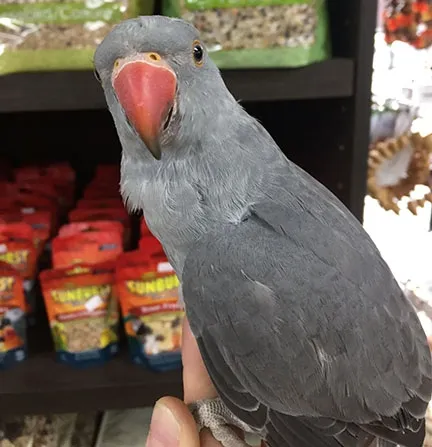
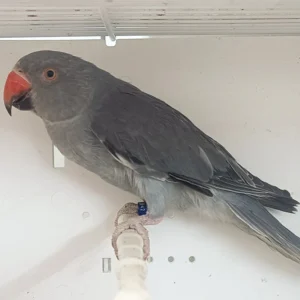
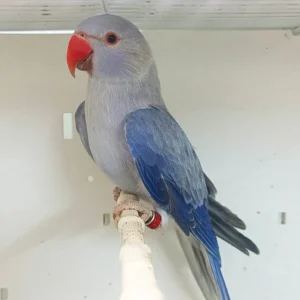
The Grey Indian Ringneck Parrot is a genetic mutation of the standard Indian Ringneck Parrot, where the typical green feathers are replaced by shades of grey due to altered pigmentation. This recessive mutation, often called the “Grey” or “Slate” morph, results from changes in the psittacofulvin pigments, producing a uniform grey hue that can range from light ash to deep charcoal. Unlike the wild-type Indian Ringneck, which boasts emerald green bodies, red beaks, and black neck rings, the grey variant presents a cooler, more subdued palette with occasional blue iridescence. This mutation does not occur in nature; it’s a product of selective breeding in captivity. Grey Indian Ringneck Parrots are medium-sized, typically 14-16 inches long and weighing 4-5 ounces, with a potential lifespan of 25-30 years or more. Their rarity and minimalist beauty make them highly sought after, appealing to those who prefer a less flashy yet equally captivating pet.
Physical Characteristics of the Grey Indian Ringneck Parrot
The Grey Indian Ringneck Parrot’s most alluring feature is its sleek, uniform plumage, which imparts a modern and dignified appearance. The body feathers are predominantly slate grey, often with subtle variations in tone that create depth and texture. Wings and tail feathers may exhibit iridescent blue or silver highlights, especially in natural light, adding a touch of shimmer without overwhelming the overall grey aesthetic. The beak is a striking red, offering a vibrant contrast to the muted feathers, and the eyes are dark, encircled by a white ring that enhances the bird’s alert expression. Males develop the characteristic black neck ring upon maturity, which appears as a defined band against the grey background, while females may have a fainter or absent ring. The feet and legs are grey or pale, and the bird’s physique is robust and agile, featuring strong wings for flight and a powerful beak for cracking seeds. This mutation doesn’t compromise the parrot’s health or functionality; Grey Indian Ringneck Parrots are as active and resilient as their green relatives, thriving in supportive environments.
Behavior and Personality of the Grey Indian Ringneck Parrot
The Grey Indian Ringneck Parrot is renowned for its intelligent, sociable, and playful nature, making it a delightful companion for interactive owners. These birds are exceptionally trainable and possess a talent for mimicking human speech, often building extensive vocabularies and even imitating sounds or phrases with impressive precision. Their inquisitive personality drives them to explore toys, puzzles, and surroundings, and they form deep emotional bonds with their caregivers, expressing affection through head-bobbing, preening, and vocal interactions. As social creatures, they flourish with attention and may display signs of loneliness, such as excessive vocalization or destructive behaviors, if neglected. Proper socialization from a young age helps cultivate a friendly demeanor, and they typically get along well with other birds or household pets when introduced gradually. Energetic and acrobatic, Grey Indian Ringneck Parrots enjoy climbing, flying, and engaging in games, providing daily entertainment. However, their vocal tendencies can make them noisy, particularly at dawn and dusk, so prospective owners should consider this when choosing a pet.
Care and Maintenance for Your Grey Indian Ringneck Parrot
Caring for a Grey Indian Ringneck Parrot requires a commitment to its physical, mental, and environmental well-being. Provide a spacious cage—at minimum 24x24x36 inches—crafted from sturdy materials like stainless steel to endure the bird’s beak. Equip it with varied perches, toys, and enrichment tools such as bells, ladders, and foraging puzzles to stimulate the mind and prevent boredom. Allow daily supervised out-of-cage time for exercise and bonding in a safe, bird-proofed space to avoid risks like toxic substances or open windows. Bathing is essential for feather health; use a shallow water dish or gentle mist to keep the grey plumage clean and vibrant.
Diet is crucial for the Grey Indian Ringneck Parrot’s vitality. Base nutrition on high-quality parrot pellets, enriched with fresh fruits (e.g., apples, berries) and vegetables (e.g., carrots, spinach). Limit nuts and seeds to maintain balance and prevent obesity. Supply fresh water daily, and monitor intake for optimal health. Consult an avian vet for personalized feeding plans. Regular grooming, including nail and beak care, ensures comfort and hygiene.
Health Considerations for the Grey Indian Ringneck Parrot
The Grey Indian Ringneck Parrot is generally robust, but its mutation may heighten sensitivity to certain conditions, though it doesn’t cause inherent vulnerabilities. The grey feathers are durable but can fade with excessive sun exposure, so provide shaded areas. Watch for common issues like respiratory ailments, nutritional deficits, or parasites, indicated by lethargy, irregular droppings, or behavioral changes. Feather plucking often points to stress or lack of stimulation. Schedule bi-annual veterinary check-ups for exams and vaccinations. Keep the habitat clean to avert infections, and maintain a consistent routine to reduce stress and promote longevity.
Breeding and Genetics of the Grey Variant
The Grey Indian Ringneck Parrot’s genetics involve recessive genes that modify pigment production, yielding the slate grey coloration. Breeders combine grey birds with other mutations for variety, emphasizing ethical practices. Breeding demands expertise in genetics, incubation, and rearing. Chicks may show initial green tones that grey out with age. Responsible breeding preserves this morph while prioritizing bird welfare.
The Appeal of Owning a Grey Indian Ringneck Parrot
Owning a Grey Indian Ringneck Parrot blends understated elegance with intellectual companionship, ideal for refined bird lovers. Its sophisticated look complements any space, and its trainable nature builds lasting bonds. These parrots instill responsibility and offer enduring joy. For enthusiasts, the grey mutation exemplifies breeding artistry. Yet, dedication to care is key for a rewarding partnership.
Conclusion: Embracing the Grey Indian Ringneck Parrot
The Grey Indian Ringneck Parrot embodies the quiet charm and intelligence of exotic birds, providing a refined alternative to bolder mutations. From its sleek plumage to its vibrant personality, this parrot invites a lifetime of discovery and connection. Through attentive care, you can foster a thriving relationship with this remarkable species. If avian beauty intrigues you, the grey variant encourages deeper exploration of parrot care. Turn to trusted resources on bird health to enrich your experience and cultivate a harmonious bond with your feathered companion.
Reviews
There are no reviews yet.
Related products

Indian Ringnecks
Indian Ringnecks
Indian Ringnecks
Indian Ringnecks
Indian Ringnecks
Indian Ringnecks
Indian Ringnecks
Indian Ringnecks
Be the first to review “Grey Indian Ringneck Parrot”