Indian Ring Neck Parrot Yellow Oliver
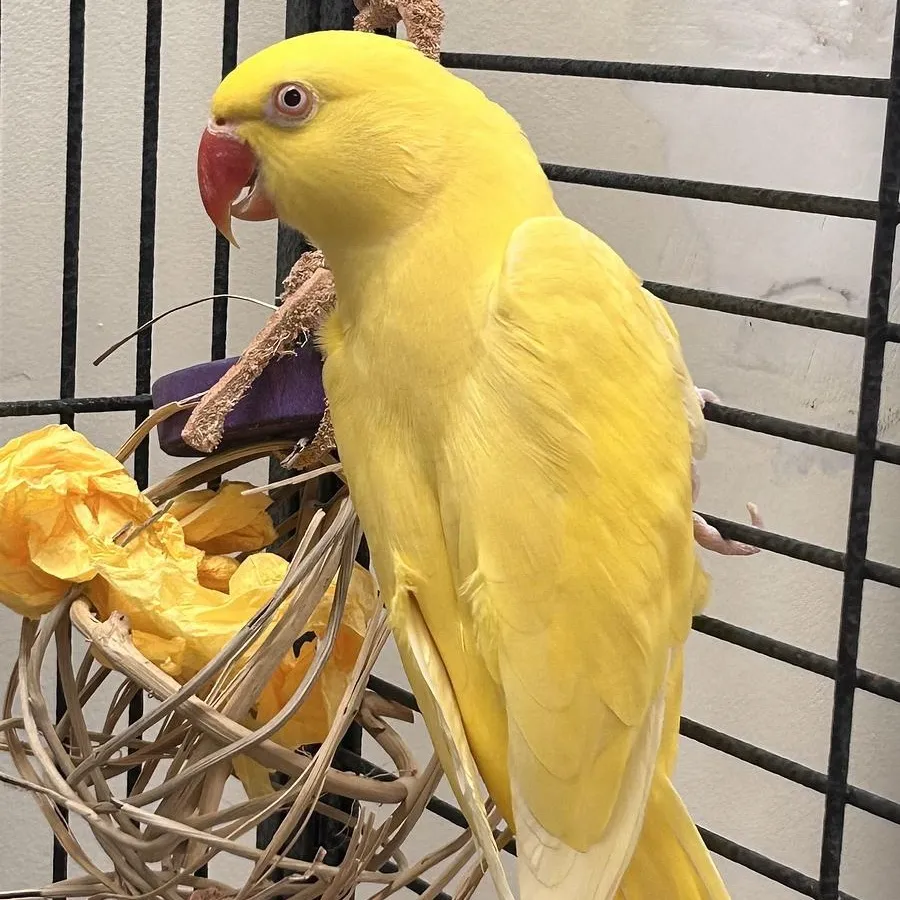
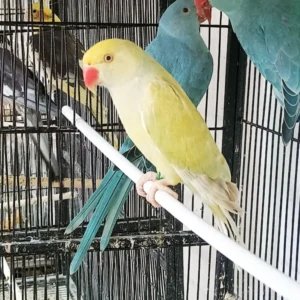
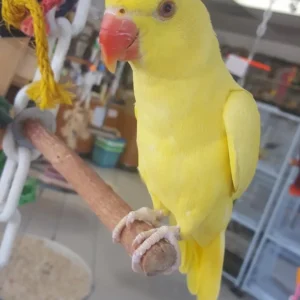
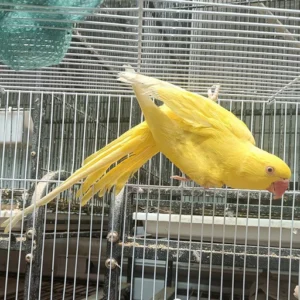
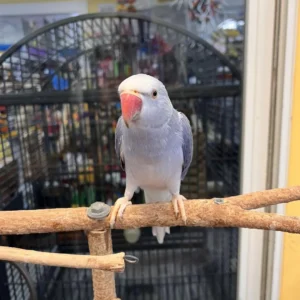
The Indian Ring Neck Parrot Yellow Oliver is a color mutation of the classic Indian Ringneck Parrot (Psittacula krameri). While the wild-type Indian Ringneck features vibrant green feathers with a distinctive black ring around the neck, the Yellow Oliver showcases a stunning all-yellow or predominantly yellow appearance. This mutation, often referred to as the Lutino or Yellow-headed variant, results from genetic changes that reduce melanin production, leading to the bright, eye-catching yellow hue. The “Oliver” designation might stem from a common name or a specific lineage, but it generally refers to these yellow-feathered beauties. These parrots are medium-sized, typically measuring 14-16 inches in length, and are renowned for their longevity, often living up to 30 years or more with proper care.
Physical Characteristics of the Yellow Oliver Parrot
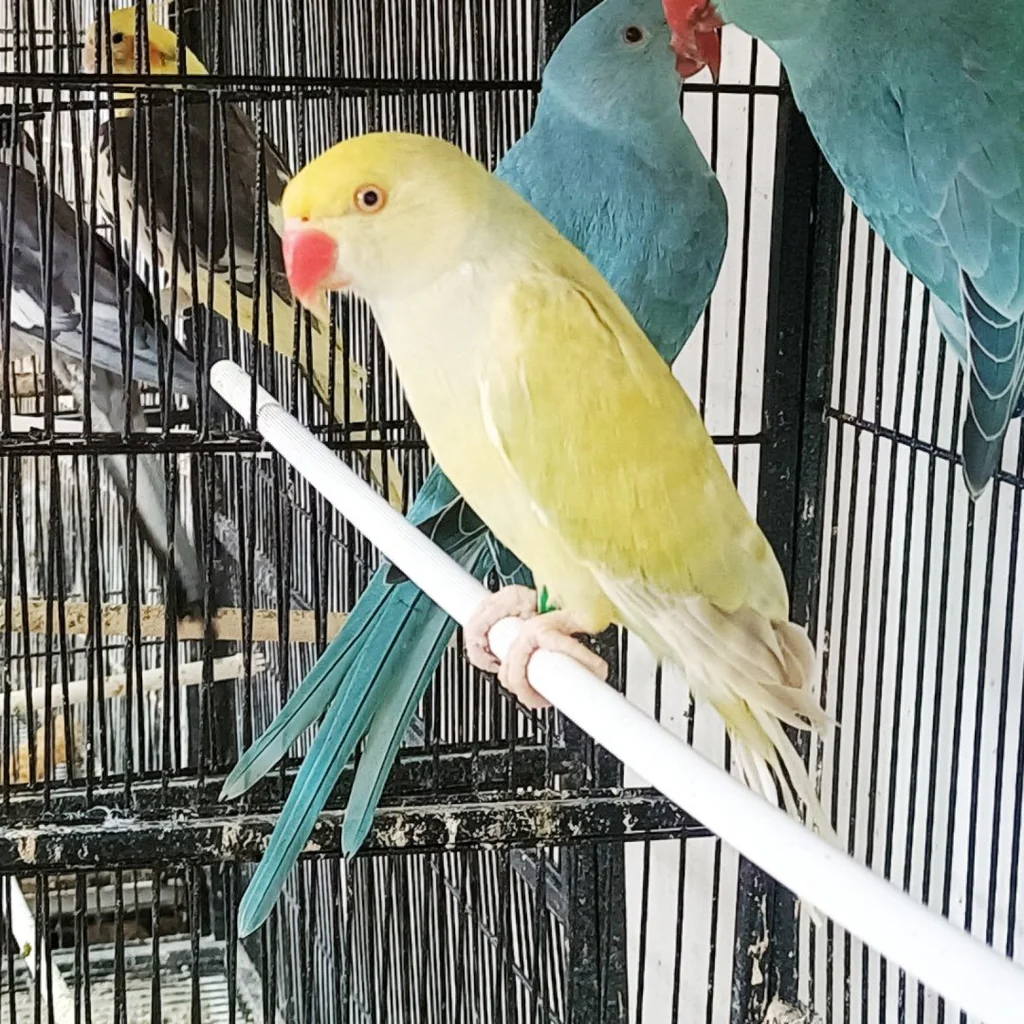
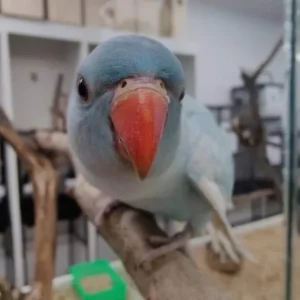
One of the most alluring aspects of the Indian Ring Neck Parrot Yellow Oliver is its vibrant appearance. The bird’s body is covered in soft, lemon-yellow feathers, sometimes accented with subtle hints of green or white, depending on the individual. The beak is a striking red, contrasting beautifully with the yellow plumage, and the eyes are framed by a white ring, adding to its expressive look. Males and females can be distinguished by the neck ring; males develop a prominent black ring as they mature, while females have a more subdued or absent ring. This color mutation doesn’t affect the bird’s overall health or structure, making the Yellow Oliver just as robust as its green counterparts. Their wings and tail feathers are designed for agile flight, allowing them to navigate their environment with ease.
Behavior and Personality of the Indian Ring Neck Parrot Yellow Oliver
The Indian Ring Neck Parrot Yellow Oliver is celebrated for its intelligent and sociable nature. These birds are highly trainable and can learn an extensive vocabulary, often mimicking sounds, words, and even phrases with impressive accuracy. Their playful demeanor makes them engaging pets, as they enjoy interactive toys, puzzles, and social interaction with their owners. However, Yellow Olivers can be demanding; they thrive on attention and may exhibit boredom-related behaviors like feather plucking if left alone for long periods. As flock animals in the wild, they form strong bonds with their human caregivers, sometimes displaying affectionate behaviors such as head-bobbing or preening. While generally friendly, they can be territorial and may nip if they feel threatened, so early socialization is key to fostering a harmonious relationship.
Care and Maintenance for Your Yellow Oliver Parrot
Caring for an Indian Ring Neck Parrot Yellow Oliver requires commitment to their physical and mental well-being. These birds need a spacious cage—ideally at least 24x24x36 inches—to allow for movement and play. Provide a variety of perches, toys, and foraging opportunities to stimulate their curious minds and prevent boredom. A balanced diet is essential, consisting of high-quality pellets, fresh fruits, vegetables, and occasional nuts or seeds. Fresh water should always be available, and it’s important to monitor for any dietary imbalances. Daily out-of-cage time is crucial for exercise and bonding, but ensure the environment is safe from hazards like toxic plants or open windows. Regular veterinary check-ups are recommended to maintain their health, as these parrots can be prone to issues like feather mites or nutritional deficiencies if not cared for properly.
Health Considerations for the Indian Ring Neck Parrot Yellow Oliver
Maintaining the health of your Indian Ring Neck Parrot Yellow Oliver involves understanding common avian health concerns. These birds are generally hardy, but they can suffer from respiratory problems, vitamin deficiencies, or behavioral issues if their needs aren’t met. Signs of illness include lethargy, abnormal droppings, or changes in feather condition, so prompt attention from an avian veterinarian is vital. Preventative measures like a clean living space, proper nutrition, and mental stimulation go a long way in keeping your Yellow Oliver vibrant and active. Remember, these parrots are sensitive to environmental changes, so maintaining a consistent routine helps them thrive.
Conclusion: Embracing the Joy of the Yellow Oliver Parrot
The Indian Ring Neck Parrot Yellow Oliver is more than just a beautiful bird—it’s a loyal companion that brings joy, laughter, and endless entertainment through its mimicry and playful antics. Whether you’re a seasoned bird owner or considering your first parrot, understanding their needs ensures a fulfilling relationship. By providing the right care, environment, and attention, you can enjoy the company of this remarkable species for decades. If you’re passionate about exotic birds, the Yellow Oliver’s charm is sure to inspire a lifelong fascination with avian wonders. For more insights into parrot care, explore reputable resources on bird behavior and health.
Reviews
There are no reviews yet.
Related products
Indian Ringnecks
Indian Ringnecks
Indian Ringnecks
Indian Ringnecks
Indian Ringnecks
Indian Ringnecks
Indian Ringnecks
Indian Ringnecks
Be the first to review “Indian Ring Neck Parrot Yellow Oliver”