
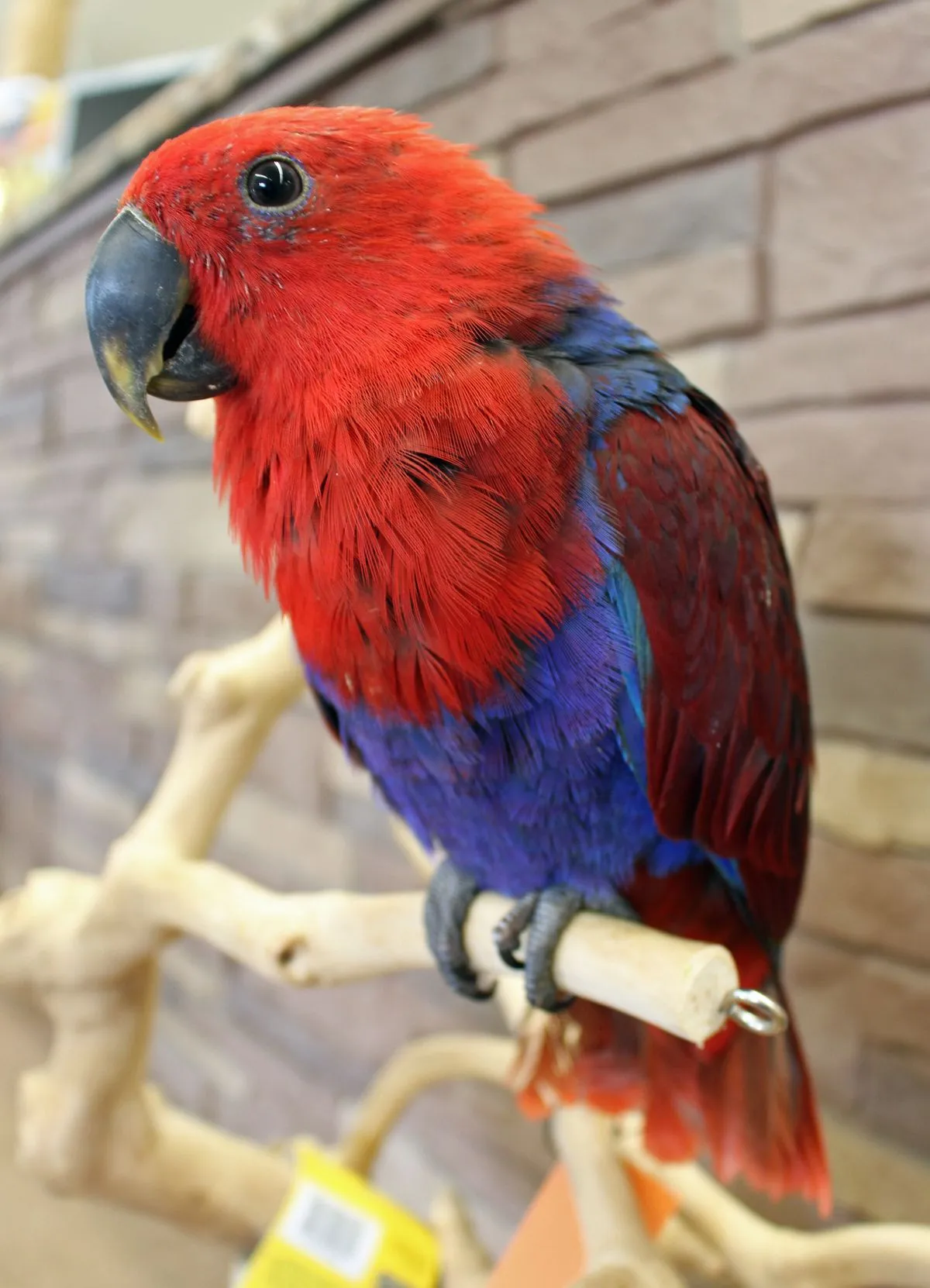
Moluccan Eclectus
Moluccan Eclectus (Eclectus roratus roratus), a striking subspecies of the Eclectus Parrot, is renowned for its extraordinary sexual dimorphism, intelligence, and adaptability. Native to the lush islands of Indonesia’s Moluccas (also known as the Spice Islands), this bird has captivated bird enthusiasts, researchers, and pet owners alike with its vivid colors, complex behaviors, and cultural significance. Often simply called the “Moluccan Eclectus” to distinguish it from other Moluccan Eclectus subspecies, it represents one of the most fascinating examples of avian diversity. Below, we’ll explore its biology, habitat, behavior, conservation status, and more in detail.
Physical Description: A Study in Contrasts
The Moluccan Eclectus is a medium-sized parrot, measuring about 12-14 inches (30-35 cm) in length and weighing 10-17 ounces (300-500 grams), with a wingspan of roughly 8-10 inches (20-25 cm). What sets it apart—and makes it instantly recognizable—is its pronounced sexual dimorphism: males and females look like entirely different species.
- Males: Bright emerald green overall, with a yellow-orange beak, red accents on the underwings, and a vibrant orange head and neck. Their plumage shimmers in sunlight, giving them a jewel-like appearance.
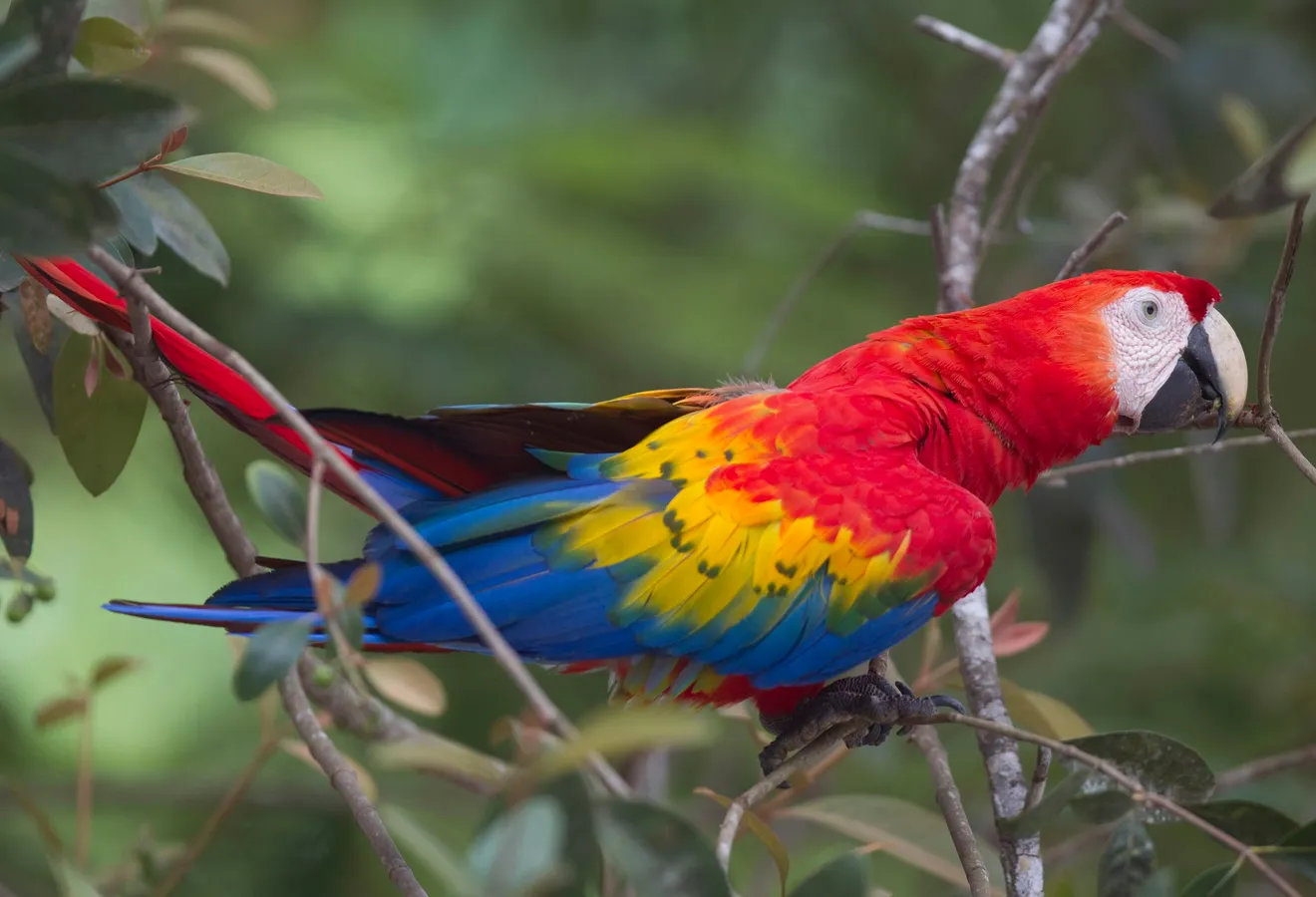
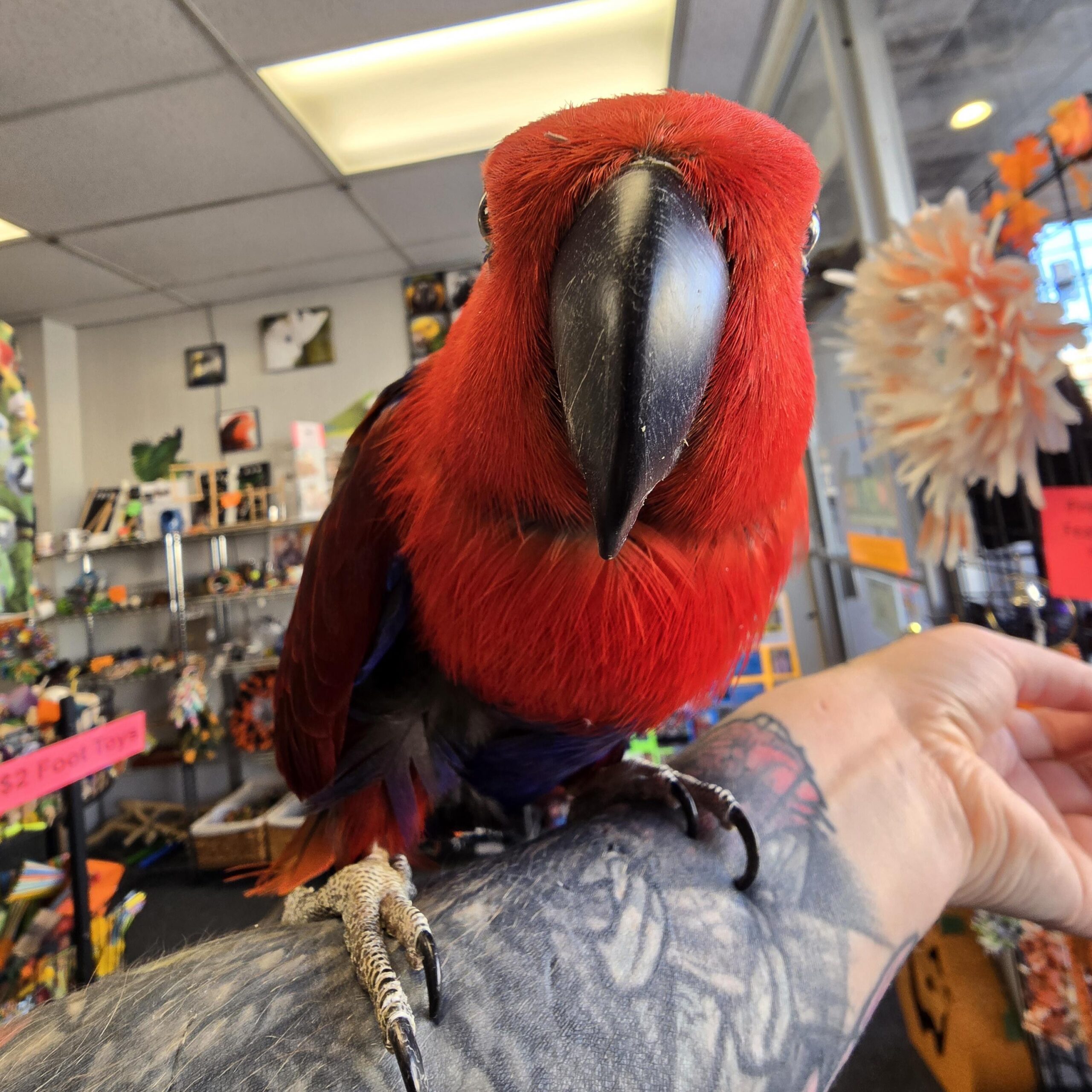
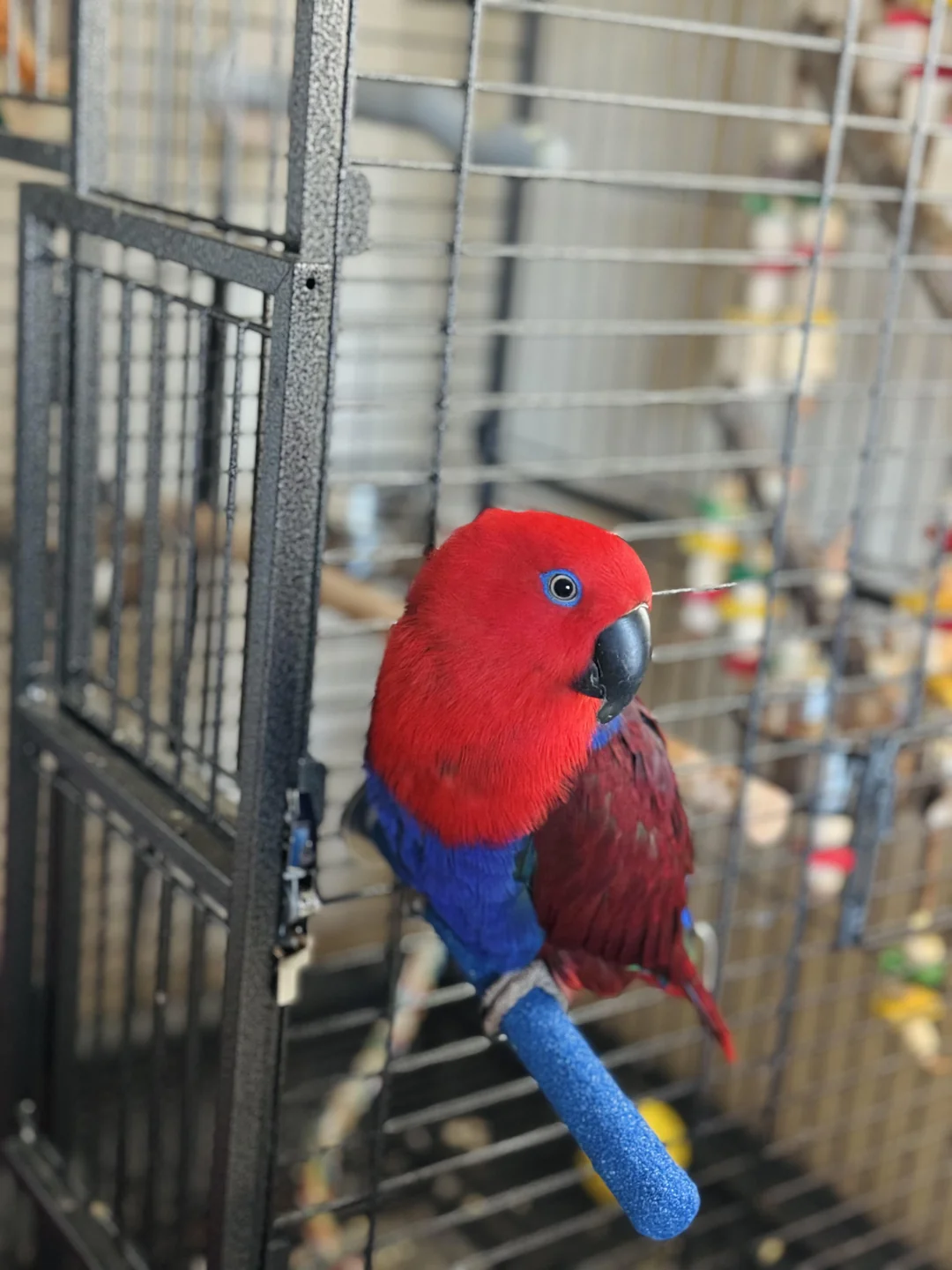
- Females: A bold mix of red, purple, and blue, with a black beak, violet-blue chests, and red heads and tails. This coloration serves as camouflage in their natural environment.
Both sexes have strong, curved beaks for cracking nuts and seeds, zygodactyl feet (two toes forward, two back) for climbing, and expressive eyes surrounded by bare skin that can change color based on mood—pale when calm, darker when excited. Juveniles resemble females but develop adult colors over 1-2 years. This dimorphism isn’t just aesthetic; it’s believed to aid in mate recognition and reduce competition for resources.
Habitat and Range: The Spice Islands Paradise
The Moluccan Eclectus is endemic to the Moluccas archipelago in Indonesia, including islands like Halmahera, Seram, Ambon, and surrounding smaller islets. This region, part of the Wallacea biodiversity hotspot, features tropical rainforests, mangroves, and coastal woodlands with a humid climate—temperatures averaging 77-86°F (25-30°C) year-round and high rainfall (up to 100 inches or 250 cm annually).
They inhabit primary and secondary forests, from lowland areas up to 3,000 feet (900 meters) in elevation, favoring areas with abundant fruiting trees. The Moluccas’ isolation has led to unique ecosystems, with the Moluccan Eclectus sharing space with other endemic species like the Moluccan Cockatoo and various birds of paradise. Historically, these islands were famed for nutmeg and cloves, which influenced early European explorers’ encounters with the parrots.
Behavior and Ecology: Social and Cerebral Wonders
Moluccan Eclectus, including the Moluccan subspecies, are highly social and intelligent, often forming flocks of 10-20 individuals in the wild. They exhibit complex behaviors that highlight their cognitive prowess:
- Diet and Foraging: Primarily frugivorous, they feed on fruits, seeds, nuts, flowers, and occasional insects. In the Moluccas, they rely on figs, papaya, and palm fruits. Their strong beaks allow them to access hard-shelled foods, and they’ve been observed using tools in captivity to extract treats.
- Social Structure: Monogamous pairs bond for life, engaging in mutual preening and vocal duets. Flocks are hierarchical, with dominant birds leading foraging and roosting. They’re diurnal, active during the day, and roost in tree canopies at night.
- Reproduction: Breeding season aligns with the wet months (December to April). Pairs nest in tree hollows, laying 2-3 eggs incubated for 26-28 days. Both parents share incubation and chick-rearing duties, with young fledging after 10-12 weeks.
- Intelligence and Communication: Moluccan Eclectus are among the smartest parrots, capable of mimicking human speech, solving puzzles, and understanding context. Their vocalizations include whistles, squawks, and imitations; males are often more talkative. In studies, they’ve shown self-awareness and problem-solving skills comparable to apes.
- Play and Adaptability: Wild Moluccan Eclectus engage in playful aerial acrobatics and social games. In captivity, they thrive with enrichment, but boredom can lead to feather-plucking or aggression.
Interestingly, their dimorphism may influence behavior: females are often more dominant in flocks, while males are vocal and flamboyant.
Conservation Status: Thriving but Threatened
The Moluccan Eclectus Parrot as a whole is classified as Least Concern by the IUCN, with a global population estimated at 10,000-50,000 individuals. The Moluccan Eclectus subspecies is stable in its range, benefiting from Indonesia’s protected areas like the Aketajawe-Lolobata National Park. However, localized threats persist:
- Habitat Loss: Deforestation for palm oil plantations and logging reduces forest cover, fragmenting populations.
- Illegal Trade: Despite CITES protections (Appendix II), poaching for the pet market remains an issue, with Moluccan Eclectus fetching high prices due to their beauty and talking ability.
- Invasive Species: Predators like rats and cats impact nests.
- Climate Change: Altered rainfall patterns affect fruit availability.
Conservation efforts include habitat restoration, anti-trafficking patrols by organizations like BirdLife International and TRAFFIC, and captive breeding programs. In Indonesia, community-based initiatives educate locals on sustainable practices. The subspecies’ adaptability has helped it persist, but ongoing monitoring is crucial.
Cultural and Human Connections: From Pets to Symbols
In Moluccan culture, the Moluccan Eclectus is seen as a symbol of the islands’ natural wealth, often featured in folklore as wise messengers. Indigenous communities have historically kept them as pets or for pest control.
Globally, the Moluccan Eclectus is a popular aviary bird and companion parrot, prized for its longevity (up to 30-50 years) and affectionate nature. They’re known for forming strong bonds with owners, though they require mental stimulation to prevent issues. Famous examples include talking Moluccan Eclectus in zoos and homes, contributing to their “celebrity” status among parrot enthusiasts.
In media, they’ve appeared in documentaries and books on avian intelligence, and their dimorphism has inspired scientific studies on evolutionary biology.
Fun Facts and Additional Insights
- Lifespan: 30-50 years in the wild or captivity, making them long-term companions.
- Unique Abilities: Females can lay eggs without a male (parthenogenesis), though rare. They’ve been trained for therapy work due to their empathy.
- Diet in Detail: A balanced captive diet includes pellets, fresh fruits (apples, berries), vegetables, and nuts to mimic their wild foraging.
- Subspecies Variations: Compared to others like the Solomon Islands Eclectus (more purple females), the Moluccan has brighter greens in males.
- Economic Impact: The pet trade generates millions, but ethical sourcing is key—opt for breeder-raised birds.
- Research Highlights: Studies on their vocal learning have advanced our understanding of language evolution in birds.
The Moluccan Eclectus embodies the wonder of Indonesia’s biodiversity, reminding us of the delicate balance between nature and human influence. If you’d like a story inspired by this parrot, comparisons to other Eclectus subspecies, care tips for pet owners, or more on Indonesian wildlife, let me know!
Reviews
There are no reviews yet.
Related products
Eclectus
Be the first to review “Moluccan Eclectus”