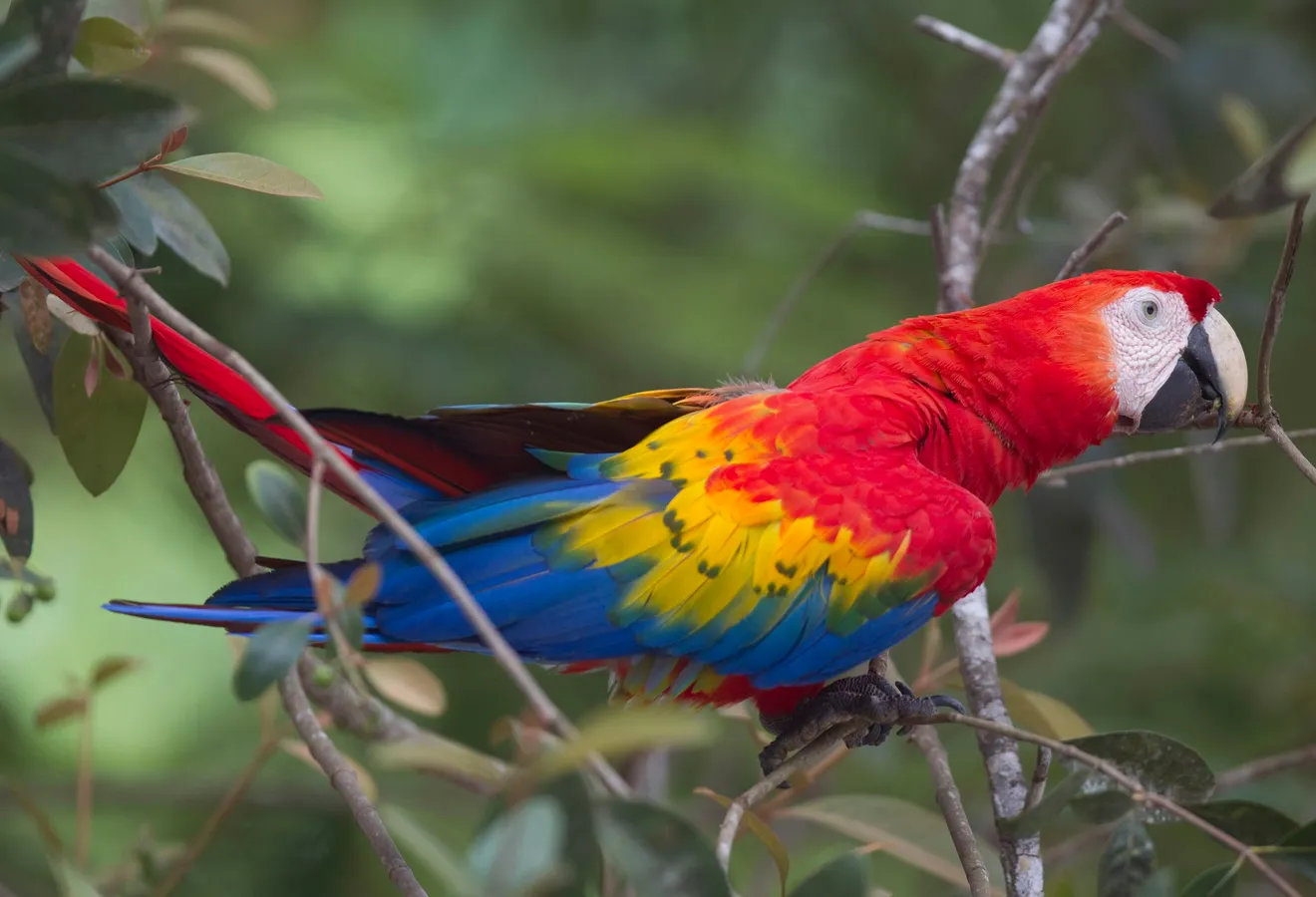
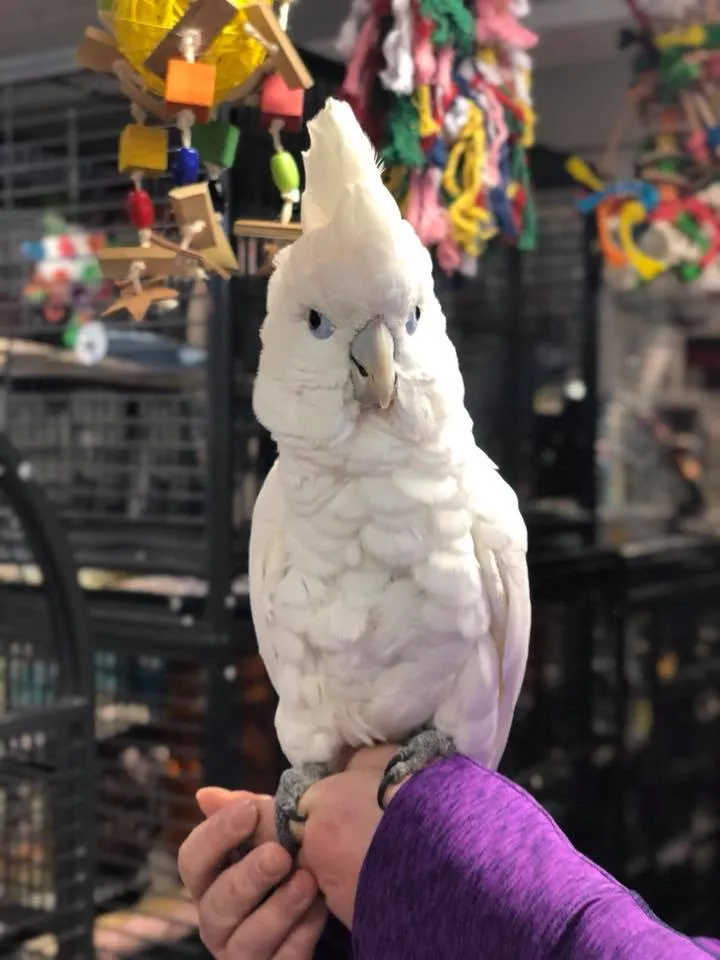
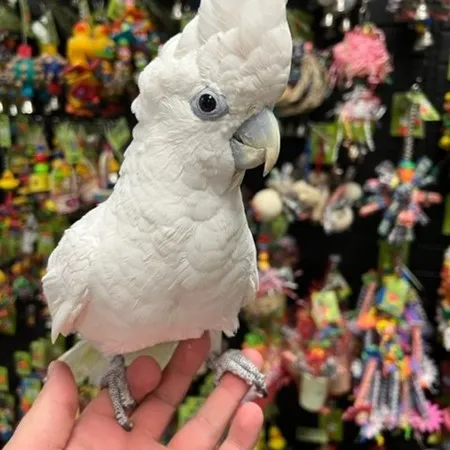
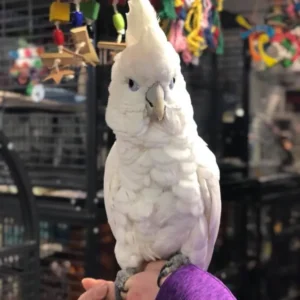
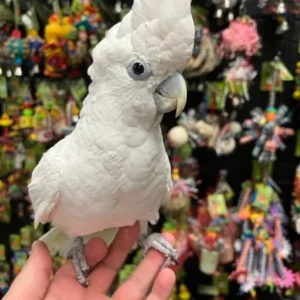
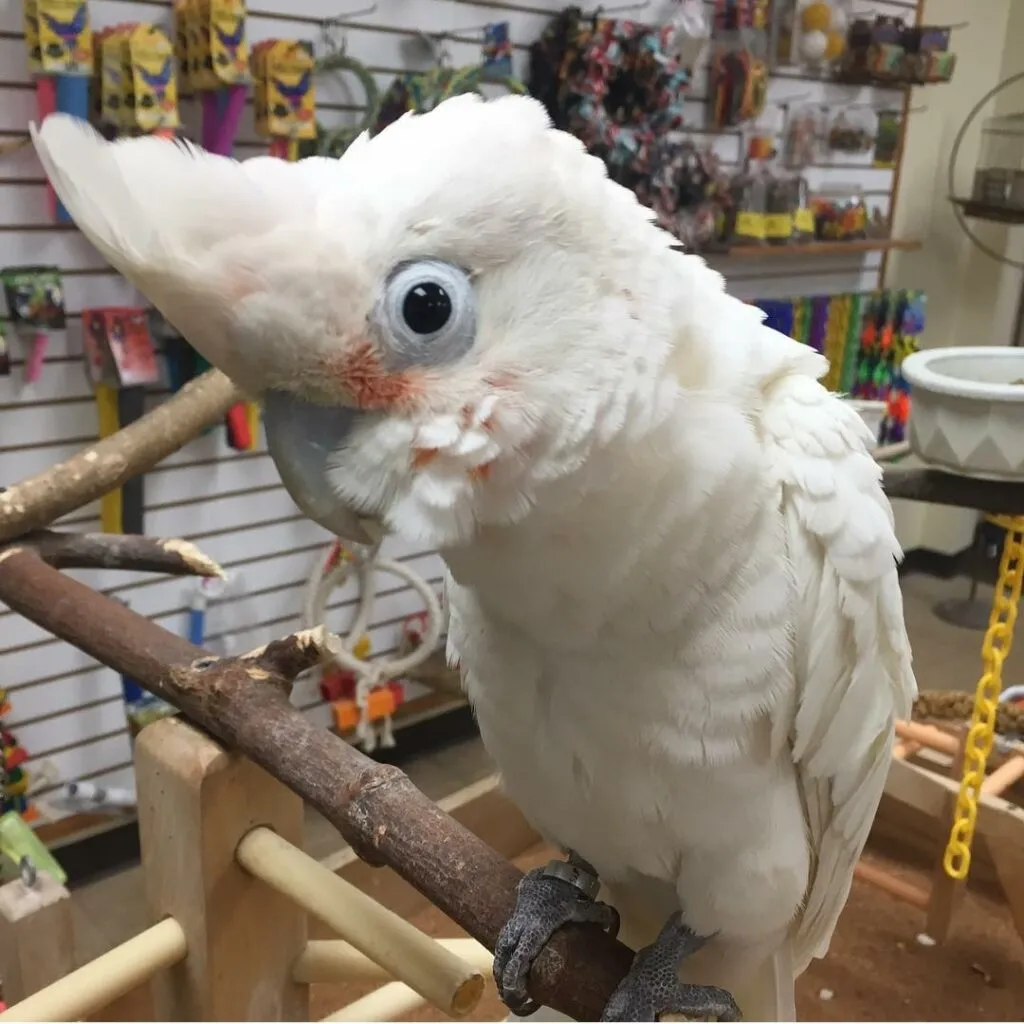
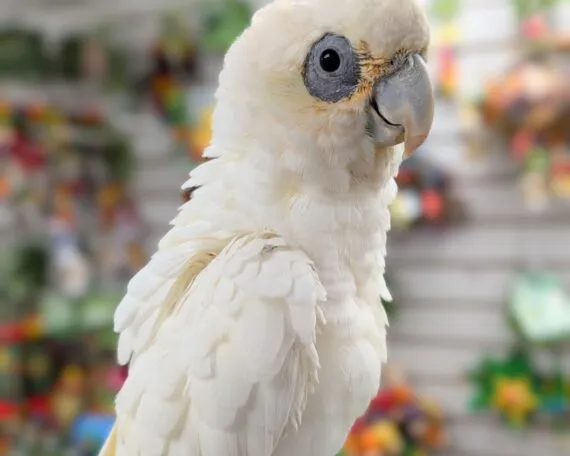
Palm Cockatoo
Palm Cockatoo, more commonly known today as the Ducorps Cockatoo (Probosciger aterrimus), is a magnificent and enigmatic species within the cockatoo family (Cacatuidae). Named after early French naturalist Ducorps, who documented it in the 19th century, this bird stands out as one of the largest and most intelligent parrots in the world. Endemic to the lush rainforests of New Guinea, the Aru Islands, and parts of northeastern Australia, it embodies the wild, untamed spirit of tropical ecosystems. With its striking black plumage, elaborate crest, and unique behaviors like tool use and drumming, the Palm Cockatoo has captivated ornithologists, conservationists, and bird enthusiasts alike. It’s not just a parrot; it’s a symbol of biodiversity in some of the most biodiverse regions on Earth. However, this species faces significant threats from habitat destruction, climate change, and the illegal wildlife trade, leading to localized population declines despite its Least Concern status on the IUCN Red List. In the wild, Palm Cockatoos play a crucial role as seed dispersers, helping regenerate rainforests by spreading the seeds of fruits they consume. In captivity, they are highly sought-after pets for their affectionate nature, problem-solving abilities, and longevity, but they require exceptionally dedicated owners who can provide a lifetime of specialized care. Ethical considerations are paramount, as wild-caught birds contribute to endangerment, so adoption from reputable breeders or rescues is encouraged. This bird’s story is one of resilience and rarity, making it a fascinating subject for study and admiration.
Physical Description
The Palm Cockatoo is an imposing figure, measuring 55-60 cm (22-24 inches) in length from beak to tail, with an impressive wingspan of 80-95 cm (31-37 inches) that allows for powerful, soaring flights through dense forest canopies. Weighing between 800-1,200 grams (28-42 ounces), it has a robust, muscular build suited for its arboreal lifestyle, with broad shoulders and a sturdy frame. Its plumage is a deep, glossy black that shimmers with iridescent hints of blue or purple in sunlight, providing excellent camouflage in shadowy rainforest understories. The most iconic feature is the large, erectile crest on its head, composed of elongated feathers that can be raised into dramatic, fan-like shapes during displays—males often have a more pronounced “double crest” that adds to their regal appearance. Beneath the crest, the face is adorned with bare, bluish-gray skin that contrasts sharply with the black feathers, and bright red or pink cheek patches that can be puffed out or hidden, serving as visual signals in social interactions. The beak is massive, curved, and powerful, capable of cracking open the hardest palm nuts and fruits, with a horn-colored exterior and a lighter interior. Eyes are large, dark, and expressive, surrounded by the bare facial skin, which helps with thermoregulation in humid environments. Juveniles differ noticeably, with duller black plumage, smaller crests, and less developed cheek patches, which mature over 2-3 years. Sexual dimorphism is present but subtle in appearance; males typically have larger crests and beaks, and they engage in more elaborate displays, but genetic testing is often needed for accurate sexing. Their feet are zygodactylous, with strong, curved claws ideal for gripping branches, climbing, and manipulating objects. In flight, they exhibit a slow, deliberate wingbeat interspersed with glides, showcasing their adaptability to forested terrains. Overall, the Palm Cockatoo’s physique is a testament to its evolutionary adaptation to a challenging habitat, blending strength, elegance, and functionality.
Habitat and Distribution
The Palm Cockatoo is native to the tropical rainforests of New Guinea (encompassing Papua New Guinea and the Indonesian province of Papua), the Aru Islands in Indonesia, and the Cape York Peninsula in far northeastern Queensland, Australia. It thrives in dense, lowland primary rainforests, particularly those dominated by palm trees, figs, and other fruit-bearing species, often near rivers, swamps, or coastal mangroves where food and water are abundant. These habitats provide the tall trees necessary for nesting and the understory cover for foraging. Palm Cockatoospecies is somewhat adaptable, occasionally venturing into secondary forests or disturbed areas, but it avoids open savannas or arid zones. Its range is fragmented, with populations isolated by geographical barriers like mountains and seas, which can limit gene flow and make local groups vulnerable. Deforestation from logging, agriculture (e.g., palm oil plantations), and mining has severely impacted its habitat, reducing available nesting sites and food sources. Climate change exacerbates this by causing more frequent droughts and extreme weather events, which can disrupt breeding cycles and fruit availability. In Australia, protected areas like the Iron Range National Park offer some refuge, while in New Guinea, community-led conservation efforts aim to preserve traditional lands. Despite these challenges, the Palm Cockatoo’s intelligence allows it to persist in altered landscapes, though overall numbers are declining in unprotected regions. In captivity, it requires enclosures mimicking rainforest conditions, with high humidity, ample space, and natural perches to thrive.
Behavior and Diet
Palm Cockatoos are highly intelligent, social, and complex in their behaviors, often living in small family groups or monogamous pairs rather than large flocks like other cockatoos. Palm Cockatoo are diurnal, active during the day, and exhibit a range of fascinating activities, including acrobatic climbing, mutual preening, and elaborate courtship displays. One of their most remarkable traits is tool use: males, in particular, fashion sticks or branches into “drums” to create loud, resonant sounds on hollow trees or logs, a behavior believed to attract mates or establish territory. Palm Cockatoo drumming can be heard echoing through the forest, showcasing their problem-solving skills and creativity. Palm Cockatoo are also known for vocal mimicry and playfulness, engaging in games like tossing objects or swinging from vines. Monogamous pairs form lifelong bonds, with courtship involving crest-raising, cheek-puffing, and synchronized movements. In the wild, they are wary of humans but curious, often observing from afar.
Dietarily, Palm Cockatoos are primarily frugivorous, with a focus on fruits, nuts, seeds, and occasionally insects or small vertebrates. They have a particular fondness for palm fruits and nuts, using their powerful beaks to crack open tough exteriors. Foraging involves climbing trees, probing crevices, and even using tools to extract food. This diet supports their role as key seed dispersers, aiding rainforest regeneration. In captivity, a balanced diet is essential to replicate this: base it on high-quality cockatoo pellets (60-70%), supplemented with fresh fruits (figs, mangoes, apples), nuts (macadamias, almonds—in moderation), vegetables (carrots, broccoli), and seeds. Foraging enrichment, such as puzzles or hidden treats, is crucial to stimulate natural behaviors and prevent boredom. Calcium sources like cuttlebone and occasional protein (e.g., cooked eggs) ensure nutritional completeness. Avoid toxins like avocado, chocolate, or processed foods high in salt or sugar.
Breeding and Reproduction
Breeding in Palm Cockatoos is a drawn-out and intricate process, typically occurring year-round in stable tropical climates but peaking during wet seasons when food is plentiful. Pairs establish territories within their home ranges and excavate or enlarge tree hollows in tall, sturdy trees like palms or figs, often at heights of 20-40 meters to deter predators. The nest is a simple cavity lined with wood chips, feathers, or regurgitated material for comfort. Females lay 1-2 large, white eggs, which are incubated primarily by the female for about 30-33 days, with the male providing food and protection. Chicks hatch altricial (helpless) and are fed regurgitated food by both parents, developing slowly due to their size. They fledge after 4-5 months but remain dependent on the family for up to a year, learning foraging and social skills. In the wild, breeding success is moderate (50-70%), influenced by habitat quality, predation, and food availability; nests are vulnerable to snakes, birds of prey, and introduced species like rats. Captive breeding programs have helped sustain populations, with zoos and sanctuaries using artificial nests and hand-rearing techniques to produce offspring for reintroduction efforts.
Vocalizations and Communication
Palm Cockatoos are vocal virtuosos, possessing a wide repertoire of sounds that include deep, resonant booms, whistles, screeches, and mimicry of environmental noises. Their drumming behavior is a form of acoustic communication, with males creating rhythms that can travel far through the forest, signaling dominance or attracting mates. They can imitate other birds, animals, or even human sounds with surprising accuracy, often incorporating these into social interactions. Calls vary by context: soft, guttural sounds for pair bonding, loud alarms for threats, and playful chatter during group activities. This vocal complexity reflects their high intelligence and social nature, making them engaging in both wild and captive settings.
Health and Common Issues
As a large, long-lived species, Palm Cockatoos are generally hardy but susceptible to specific avian health challenges. Common issues include nutritional deficiencies (e.g., vitamin D or calcium imbalances leading to bone problems), infectious diseases like psittacine beak and feather disease (PBFD) or avian influenza, and parasitic infections (mites or worms). Behavioral problems, such as feather plucking or aggression, often arise from stress, boredom, or inadequate socialization. Lifespan in the wild is 40-60 years, but in captivity, with expert care, they can live 60-80 years or more. Preventive measures include regular veterinary check-ups with avian specialists, blood tests for diseases, and a clean, enriched environment. Signs of illness include lethargy, abnormal droppings, weight loss, or changes in plumage—early intervention is critical, as these birds can mask symptoms.
As Pets: Care, Training, and Considerations
Palm Cockatoos make extraordinary pets for experienced bird owners who can commit to their unique needs, but they are not suitable for novices due to their size, intelligence, and potential for destructive behaviors. They form deep, affectionate bonds with owners, often displaying loyalty and playfulness, but require extensive mental and physical stimulation to prevent issues like boredom-induced chewing or screaming. A large, secure aviary or indoor enclosure (at least 6x6x10 feet) with climbing structures, toys, and natural branches is essential, mimicking their rainforest habitat. Daily interaction (4-6 hours of supervised out-of-cage time) is vital for socialization and exercise. Training should use positive reinforcement techniques, rewarding desired behaviors with treats or praise; they excel at learning tricks, commands, and even complex tasks due to their intelligence. They’re generally gentle but can be territorial or nippy if not handled regularly from a young age. Ownership demands patience, as they can be noisy and messy, with a lifespan requiring long-term planning. Legally, they may fall under CITES regulations, so check local laws. Adopt from ethical sources like rescues or accredited breeders to avoid supporting illegal trade. Overall, they reward dedicated care with unparalleled companionship, but potential owners should assess their lifestyle and resources thoroughly.
Conservation and Cultural Significance
While classified as Least Concern globally, Palm Cockatoos are considered endangered in parts of their range, with populations declining due to habitat loss (up to 30% in some areas over the past decades), illegal trapping for the pet trade (thousands captured annually), and climate impacts. Conservation efforts include habitat protection in national parks, anti-poaching patrols, and community education in New Guinea and Australia. Organizations like the World Parrot Trust and local NGOs work on breeding programs for reintroduction. Culturally, they hold significance in indigenous communities: in Papua New Guinea, they’re symbols of strength and wisdom in folklore, often featured in ceremonies and art, representing the connection between humans and the rainforest. Protecting them highlights broader issues of biodiversity loss and sustainable development.
2 reviews for Palm Cockatoo
Add a review
Related products
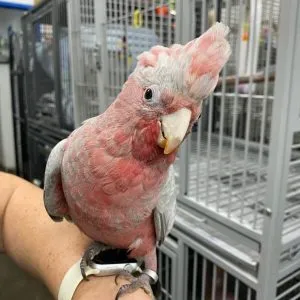
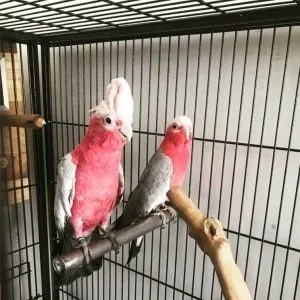
Cockatoo Parrot
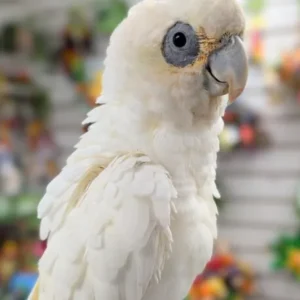
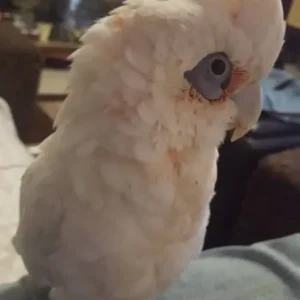
Cockatoo Parrot
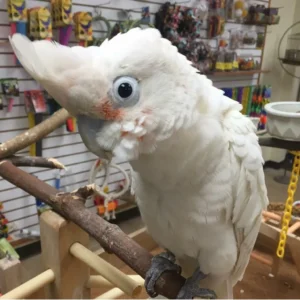
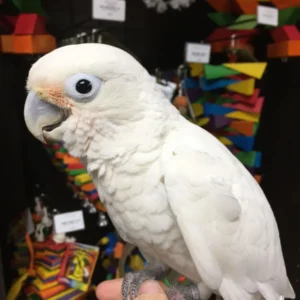
Cockatoo Parrot
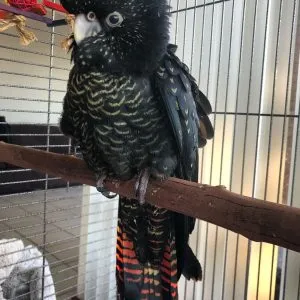
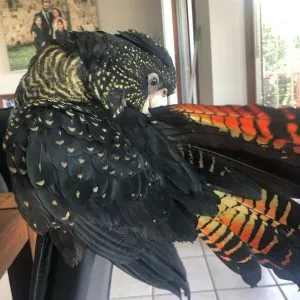
Cockatoo Parrot
Adrian Wong –
My Palm Cockatoo, Pearl, is a delight. She’s gentle, learns commands fast, and her calls are soft. Stunning bird with a heart of gold.
Emma Kim –
Palm Cockatoo named Sky is incredible. Playful, intelligent, and so easy to train. His white crest and bare eyes make him look regal.