Pearl Cockatiel
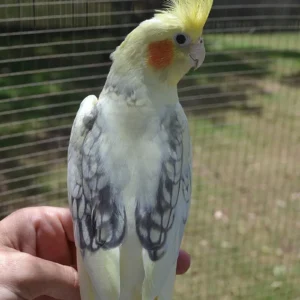
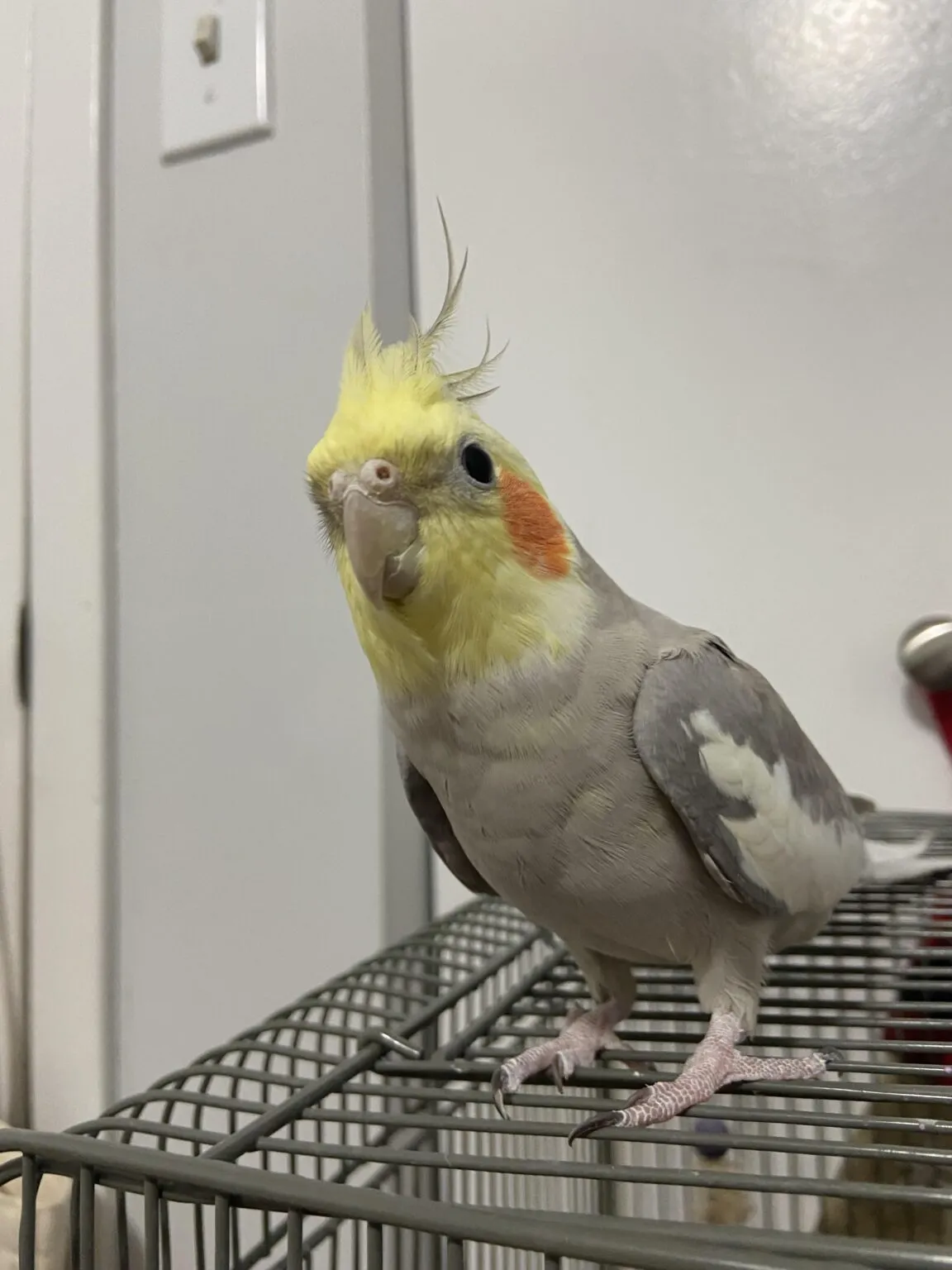
Pearl Cockatiel (Nymphicus hollandicus, with the “pearl” referring to a specific color mutation), often simply called the Pearl Cockatiel or Pearl ‘Tiel, is one of the most beloved and widespread mutations of the Cockatiel, a small parrot native to Australia. Known for its striking, pearl-like spotted plumage that resembles a starry night sky, this bird has become a staple in households, aviaries, and breeding programs worldwide. As a domesticated favorite, the Pearl Cockatiel combines the Cockatiel’s natural sociability, intelligence, and vocal talents with unique aesthetic appeal. In this detailed exploration, we’ll cover its origins, physical traits, behavior, care, and cultural significance, providing a comprehensive look at this avian gem.
Origins and Genetics: A Man-Made Marvel
Pearl Cockatiel, including the Pearl variety, belong to the Cacatuidae family (cockatoos) and are the smallest members at about 12-13 inches (30-33 cm) long. The wild-type Cockatiel is gray with yellow faces and orange cheek patches, native to Australia’s arid interior. The Pearl Cockatiel mutation, however, is a genetic variation developed through selective breeding in captivity.
- Discovery and Development: First identified in the 1960s in Australia, the Pearl gene causes a mottled pattern where darker pigments (eumelanin) are diluted, creating white or yellow spots on a gray or cinnamon base. It’s an autosomal recessive trait, meaning both parents must carry the gene for offspring to display it. Breeders have refined it into various forms, like the Whiteface Pearl (with a white head) or Lutino Pearl (yellow-based).
- Popularity: By the 1980s, Pearl Cockatiel became a breeding sensation, prized for their “fancy” look. Today, they’re among the top Pearl Cockatiel mutations, with breeders in the US, Europe, and Australia producing them in large numbers.
This mutation doesn’t affect health or behavior but adds visual intrigue, making Pearl Cockatiel a hit in shows and pet markets.
Physical Description: Spots and Splendor
Pearl Cockatiels share the base anatomy of all Cockatiels but stand out with their patterned plumage:
- Size and Build: 12-13 inches (30-33 cm) long, weighing 3-4 ounces (85-120 grams), with a wingspan of 10-12 inches (25-30 cm). They have a slender body, a distinctive crest (erectable for expressing emotions), and a long, tapered tail.
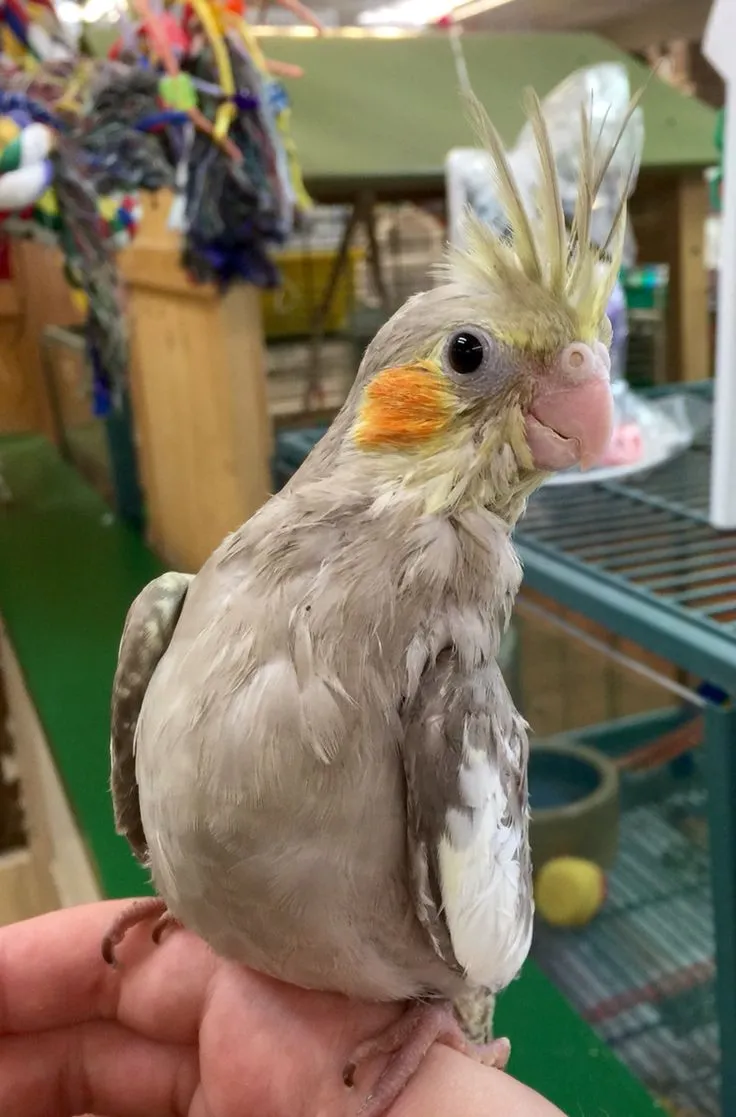
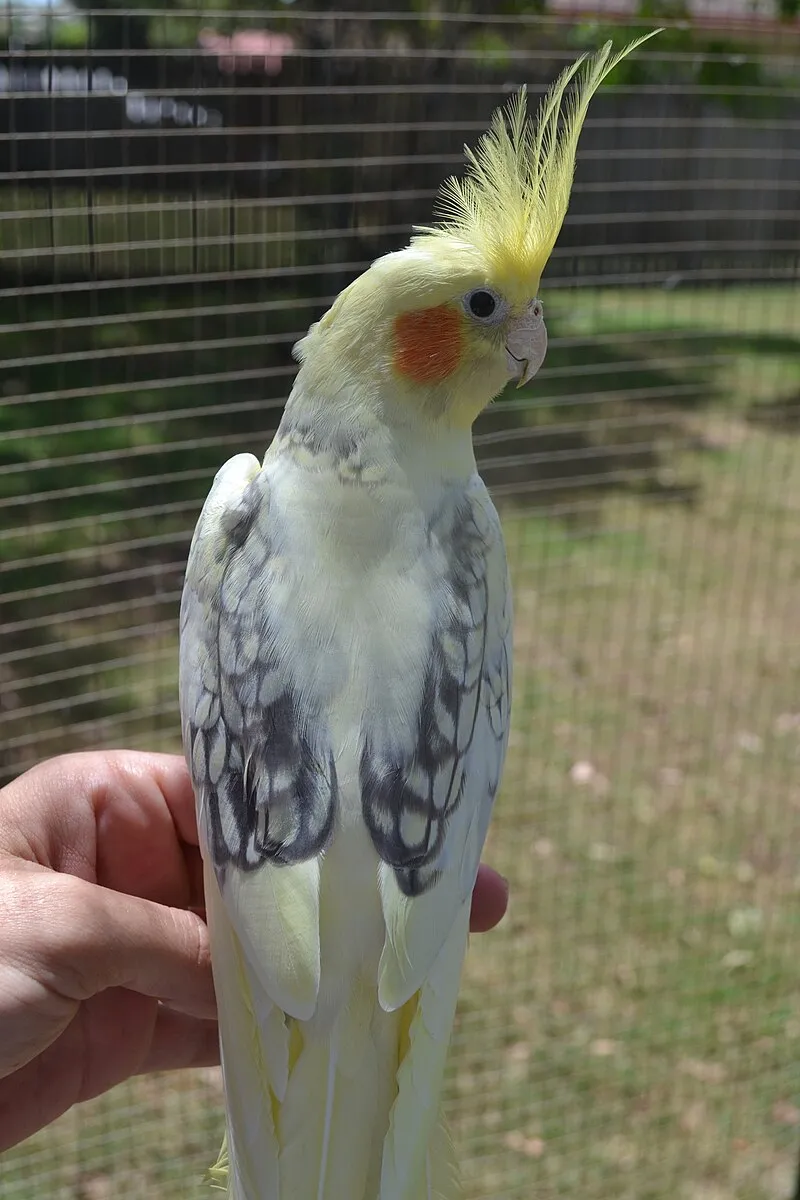
- Plumage Variations: The “pearl” effect creates a base color (gray, white, or cinnamon) overlaid with irregular spots or bars in darker shades. For example:
- Gray Pearl: Gray body with white or yellow spots, yellow face, and orange cheeks.
- Whiteface Pearl: White head with gray-spotted body.
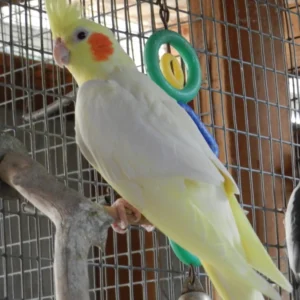
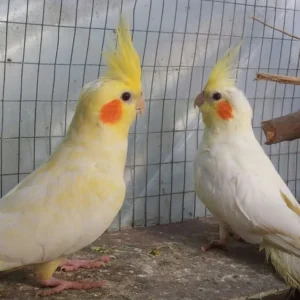
- Lutino Pearl: Yellow body with white spots, red eyes, and no cheek patches.
- Sexual Dimorphism: Males have brighter colors and a broader crest; females are duller with narrower crests. Both have zygodactyl feet and a strong, curved beak for cracking seeds.
- Unique Features: Their crest can fan out in excitement, and their eyes are expressive, with a dark iris ringed by a lighter area. Pearls often have more pronounced spotting on wings and tails, giving a “pied” or speckled appearance.
In flight, their spotted wings create a mesmerizing pattern, and their calls are a melodic whistle or chirp.
Habitat and Natural Range: From Australian Outback to Global Homes
Pearl Cockatiel inhabit the arid and semi-arid regions of central Australia, including deserts, grasslands, and woodlands. They thrive in areas with scattered trees for nesting and water sources like creeks or billabongs. The Pearl mutation, being captive-bred, isn’t found in the wild—it’s a product of human intervention.
In captivity, Pearl Cockatiel adapt well to various environments, from small cages to large aviaries. They prefer warm, dry climates (70-80°F or 21-27°C) with moderate humidity, mimicking their native habitat. As pets, they’re hardy and forgiving, making them ideal for beginners.
Behavior and Ecology: Social Butterflies of the Bird World
Pearl Cockatiel are highly social, intelligent parrots, and Pearls inherit these traits fully. In the wild, they form flocks of 10-100 birds for protection and foraging.
- Social Structure: Monogamous pairs in breeding season, but highly gregarious otherwise. They communicate through body language (crest position, wing flaps) and vocalizations—whistles, chirps, and mimics. Pearls are known for their “contact calls,” a soft whistle to stay connected with flock mates.
- Intelligence and Play: Exceptionally smart for their size, they can learn tricks, mimic sounds (including human words), and solve simple puzzles. Playful by nature, they enjoy toys, swings, and interactive games. Boredom can lead to feather plucking or screaming, so enrichment is key.
- Diet and Foraging: Seed-eaters in the wild, consuming grasses, seeds, and occasional fruits/insects. Captive Pearls need a balanced diet: 70% pellets or seeds, 20% fresh veggies/fruits (carrots, apples), and 10% treats like nuts. Grit helps digestion.
- Reproduction: Breeding season in spring/summer. Pairs nest in tree hollows or boxes, laying 4-6 eggs incubated for 18-21 days. Both parents care for chicks, which fledge at 4-5 weeks.
- Temperament: Affectionate and cuddly, often called “velcro birds” for their attachment to owners. They can be nippy if stressed but are generally gentle. Pearls are vocal, with males singing more, and they enjoy head scratches and baths.
In multi-bird households, they thrive in groups, mimicking each other’s behaviors.
Conservation and Health: Thriving in Captivity
Pearl Cockatiel are Least Concern per IUCN, with stable populations in Australia. The Pearl Cockatiel, being domesticated, faces no direct conservation issues but highlights broader parrot welfare.
- Health Considerations: Pearl Cockatiel are prone to issues like fatty liver (from seed-heavy diets), respiratory problems (in drafts), and psittacine beak and feather disease (PBFD). Regular vet check-ups, a clean environment, and a varied diet prevent these. Lifespan: 15-25 years, sometimes longer with care.
- Breeding Ethics: Overbreeding can lead to genetic issues; responsible breeders screen for health. Avoid wild-caught birds to support conservation.
- Global Impact: As popular pets (millions worldwide), they raise awareness for avian health, but illegal trade in wild Cockatiels persists in some regions.
Cultural and Human Connections: Icons of Companionship
In Aboriginal Australian culture, Pearl Cockatiel symbolize freedom and the outback’s spirit, often featured in art and stories. The Pearl mutation has elevated them to pop culture icons.
- Pet Popularity: One of the most common parrots, Pearls are beginner-friendly, with their small size and low noise level (compared to larger parrots). They’re therapy animals, providing emotional support.
- Media and Art: Appeared in films like Paulie (as a Cockatiel), and inspired merchandise. Breeders show them at expos, where their patterns are judged.
- Community: Online forums and clubs (e.g., Cockatiel societies) share care tips, fostering a global community of enthusiasts.
Fun Facts and Additional Insights
- Lifespan and Longevity: 15-25 years average, with records over 30. Proper care extends life.
- Vocal Talents: Males can learn 10-20 words; some whistle tunes perfectly.
- Unique Behaviors: They “dance” by bobbing heads and spreading wings to music. Pearls often have a “favorite person” and show jealousy.
- Diet Details: Avoid avocado, chocolate, and caffeine—toxic to birds. Offer cuttlebone for calcium.
- Mutation Variations: Pearls can combine with others (e.g., Pearl Pied) for endless patterns.
- Economic Note: Breeding is a hobby/profession; a healthy Pearl might cost $100-300.
- Research Angle: Studies on their mimicry aid understanding of avian language.
The Pearl Cockatiel is a delightful blend of natural charm and human creativity, making it a perfect companion for bird lovers.
Reviews
There are no reviews yet.
Related products
Cockatiels
Cockatiels
Be the first to review “Pearl Cockatiel”