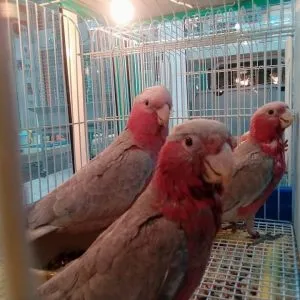
Rose Breasted Cockatoo
Rose breasted Cockatoo, more formally known as the Galah (Eolophus roseicapilla), is a captivating and ubiquitous cockatoo species native to Australia, often hailed as one of the most recognizable and endearing parrots in the world. Belonging to the Cacatuidae family, this bird is distinguished by its soft pink and gray plumage, playful demeanor, and remarkable adaptability, making it a symbol of Australia’s vibrant avian diversity. The name “Galah” originates from the Yuwaalaraay Aboriginal language, translating to “fool” or “clown,” a nod to its mischievous and entertaining antics in the wild. In its natural habitat, the Rose breasted Cockatoo is a nomadic wanderer, forming large, boisterous flocks that traverse grasslands and woodlands in search of food, contributing significantly to ecosystem health as a seed disperser. This role helps maintain the balance of native vegetation by spreading seeds from grasses, shrubs, and trees. With an estimated population exceeding 5 million individuals across the continent, the Rose breasted Cockatoo is classified as Least Concern by the IUCN Red List, reflecting its resilience despite challenges like habitat fragmentation, agricultural expansion, and occasional culling as a crop pest. However, localized declines in some regions highlight the need for ongoing monitoring. In captivity, Rose breasted Cockatoo are beloved pets for their affectionate, intelligent, and vocal nature, capable of forming deep bonds with owners and learning tricks or phrases. Yet, their high energy, potential for noise, destructiveness, and longevity (up to 40-70 years) demand committed, experienced caretakers. Ethical ownership is paramount, as wild-caught birds can strain populations, so adopting from rescues or reputable breeders is recommended. The Rose breasted Cockatoo charm lies in its sociability and expressiveness, embodying the lively essence of Australian wildlife and serving as a bridge between wild nature and human appreciation.
Physical Description
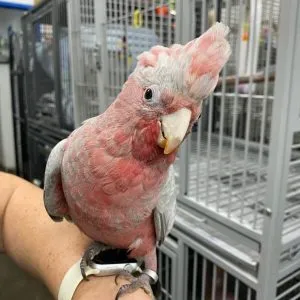
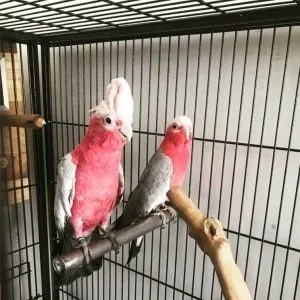
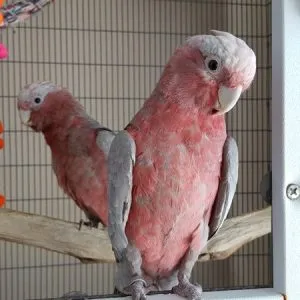
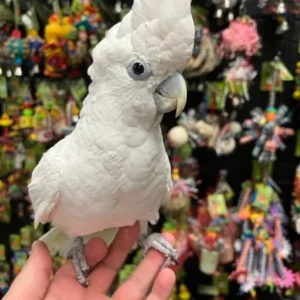
The Rose breasted Cockatoo presents a harmonious blend of elegance and vibrancy, with a medium-sized, compact body that measures 35-38 cm (14-15 inches) in length, a wingspan of 70-80 cm (28-31 inches), and a weight ranging from 250-350 grams (9-12 ounces). Its plumage is a delightful mix of soft, smoky gray on the back, wings, and tail, creating a subtle, understated base that contrasts beautifully with the eye-catching rose-pink hues dominating the head, neck, chest, and underbody. Rose breasted Cockatoo pink coloration is most intense on the crown and chest, fading to a paler shade toward the belly, and it can appear even more vivid in sunlight or during displays. The crest is short, rounded, and erectile, composed of soft feathers that can be raised into a slight puff, often accompanied by head tilts or bobs to express emotions like curiosity or alarm. The wings and tail feature delicate white edges and faint spots, adding texture and visibility during flight. The beak is relatively short, curved, and grayish-horn colored, well-suited for cracking seeds and nuts without the bulk of larger cockatoos. Eyes are large, dark brown, and expressive, encircled by bare, pale white or yellowish skin that can flush a deeper pink when the bird is excited or agitated, enhancing its communicative face. Sexual dimorphism is present but not always obvious: males typically exhibit brighter, more saturated pink plumage and slightly larger crests, while females have duller tones and may show subtle gray barring on the head. Juveniles are less striking, with muted gray and pink colors that lack the full vibrancy of adults, developing over 1-2 years through molting. Rose breasted Cockatoo feet are zygodactylous, with strong, curved claws for gripping perches, branches, and foraging surfaces. In flight, Galahs are agile and swift, with rapid wingbeats and occasional glides, often flying in coordinated flocks that create a mesmerizing spectacle. Overall, the Rose breasted Cockatoo appearance is both delicate and charismatic, with its color palette evoking a sense of warmth and approachability that endears it to observers worldwide.
Habitat and Distribution
The Rose breasted Cockatoo is exclusively native to Australia, boasting one of the broadest distributions of any parrot species, spanning the entire continent except for the most remote arid deserts in the center and the dense tropical rainforests of the far north. It inhabits a diverse array of environments, including open woodlands, grasslands, savannas, scrublands, and agricultural plains, often gravitating toward areas with abundant water sources like rivers, lakes, or wetlands for drinking and bathing. This nomadic lifestyle means Rose breasted Cockatoo don’t establish permanent territories; instead, they migrate seasonally in response to food availability, such as the ripening of grains in farmlands or the flowering of native plants. Their adaptability is remarkable—they have colonized urban and suburban areas with ease, thriving in parks, gardens, golf courses, and even city rooftops in places like Sydney, Melbourne, Perth, and Brisbane, where they scavenge for seeds, bread, or birdseed. This urban success has led to population booms in some regions, but it also sparks conflicts, as flocks can damage crops (e.g., wheat or barley) or gardens, prompting culling programs in agricultural zones. Habitat loss from land clearing for farming, mining, and development has fragmented natural ranges, reducing connectivity and increasing vulnerability to droughts or fires. Climate change exacerbates this by altering rainfall patterns, potentially disrupting breeding cycles and food supplies. Despite these pressures, the Galah’s broad range and flexibility ensure overall stability, with protected areas like national parks offering sanctuaries. In captivity, they flourish in large aviaries or indoor setups that mimic open spaces, with access to outdoor elements for natural foraging and exercise.
Behavior and Diet
Rose breasted Cockatoo are quintessential social butterflies, renowned for their gregarious nature and forming large, dynamic flocks that can number from dozens to thousands, especially during non-breeding periods. They are diurnal, bustling with activity from dawn to dusk, and exhibit a playful, almost clownish repertoire of behaviors, including aerial acrobatics, ground rolling in dust baths, mutual preening sessions, and vocal exchanges that fill the air with chatter. Intelligent and inquisitive, they demonstrate problem-solving skills, such as manipulating objects or navigating simple puzzles, and can form strong, affectionate bonds with their flock mates or human companions. Monogamous pairs establish enduring relationships, engaging in courtship rituals like synchronized flights, crest displays, and soft, cooing calls. In the wild, Rose breasted Cockatoo are bold and opportunistic, often approaching humans or vehicles out of curiosity, which has endeared them to Australians as a familiar sight.
Dietarily, they are primarily granivorous, with a diet centered on seeds, grains, grasses, and fruits, supplemented by occasional insects, larvae, or nectar from flowers. Foraging occurs both on the ground and in low vegetation, where they use their beaks to crack open seeds. In captivity, a nutritionally balanced diet includes high-quality cockatoo pellets as the base, fresh fruits (e.g., apples, pears), vegetables (carrots, broccoli), and seeds or nuts in moderation. Foraging enrichment, such as scatter feeding or puzzle toys, is essential to replicate wild behaviors and prevent boredom. Calcium-rich items like cuttlebone support bone health, and fresh water should always be available.
Breeding and Reproduction
Breeding in Rose breasted Cockatoo is opportunistic, often tied to rainfall and food abundance, with peaks in spring and summer across different regions. Pairs nest in tree hollows, often in eucalyptus or acacia trees, at heights of 5-15 meters, lining the cavity with wood chips or feathers. Females lay 2-5 white, oval eggs, incubated by both parents for 23-25 days. Chicks hatch altricial and are fed regurgitated food, fledging after 6-8 weeks but remaining dependent for several months. In the wild, nesting success is generally high (70-90%) in undisturbed areas, though predation by snakes or birds of prey can reduce it. Urban nesting sometimes occurs in buildings or palm trees. Captive breeding is common, with pairs producing multiple clutches annually.
Vocalizations and Communication
Rose breasted Cockatoo are vocal enthusiasts, with a repertoire of loud, screeching calls, whistles, and chatter used for flock coordination, alarm signaling, and social bonding. Their calls can be piercing and repetitive, especially in large groups, but they also produce softer, melodic sounds during pair interactions. In captivity, they can learn to mimic human speech, whistles, or household noises with decent accuracy, adding to their appeal as pets. Vocalizations play a key role in maintaining group cohesion and expressing emotions.
Health and Common Issues
As a hardy species, Rose breasted Cockatoo are generally robust but can face issues like nutritional deficiencies (e.g., vitamin A from poor diets leading to feather problems), obesity from overfeeding, or diseases such as psittacine beak and feather disease (PBFD). Behavioral challenges, including excessive screaming or feather plucking, often stem from stress or lack of stimulation. Lifespan in the wild is 40-50 years, but in captivity, with proper care, they can live 50-70 years. Regular veterinary check-ups, including blood tests for avian diseases, are crucial. Signs of illness include lethargy, abnormal droppings, or ruffled feathers—prompt attention is vital.
As Pets: Care, Training, and Considerations
Rose breasted Cockatoo make wonderful pets for those who appreciate their playful, affectionate energy, but they require experienced owners due to their social needs, noise, and potential for mischief. They thrive on interaction, forming loyal bonds and enjoying cuddles or playtime, but need a large cage or aviary (at least 4x4x6 feet) with toys, perches, and out-of-cage time for exercise. Training focuses on positive reinforcement, rewarding behaviors like stepping up, tricks, or speech with treats. They’re generally gentle but can be nippy if bored or territorial. Daily socialization is essential to prevent loneliness-induced issues. Adopt from ethical sources to promote welfare.
Conservation and Cultural Significance
Least Concern globally, Rose breasted Cockatoo face regional threats from habitat loss and pest control. In Australian culture, they’re iconic, featured in art, literature, and as mascots, symbolizing joy and the outback. Protecting them underscores biodiversity conservation.
2 reviews for Rose Breasted Cockatoo
Add a review
Related products
Cockatoo Parrot
Cockatoo Parrot
Cockatoo Parrot
Cockatoo Parrot
Marcus Ramirez –
Rose Breasted Cockatoo win me over. My bird, Comet, is affectionate, mimics whistles, and has a gorgeous appearance. Perfect for a loving home.
Natalie Torres –
Got a Rose breasted Cockatoo, Dusty. He’s curious, gentle, and loves interaction. Beautiful white feathers and a sweet personality—worth every moment.