Yellow Cockatiel
Yellow Cockatiel (Nymphicus hollandicus, often referring to the Lutino mutation), commonly known as the Lutino Cockatiel or Yellow ‘Tiel, is a vibrant and popular color variation of the Cockatiel, a small Australian parrot. Renowned for its sunny, all-yellow plumage that evokes warmth and energy, this mutation has become a favorite among pet owners, breeders, and enthusiasts for its striking appearance and friendly demeanor. As a domesticated breed, the Yellow Cockatiel showcases the Cockatiel’s inherent sociability, intelligence, and adaptability, making it a symbol of avian joy. In this in-depth guide, we’ll explore its genetics, physical traits, behavior, care requirements, and broader significance, offering a complete picture of this golden-feathered companion.
Origins and Genetics: A Colorful Breeding Breakthrough
Yellow Cockatiel are the smallest cockatoos, native to Australia’s arid regions, and the Yellow Cockatiel variety stems from selective breeding in captivity. The “yellow” typically describes the Lutino mutation, a genetic alteration that eliminates black and gray pigments, resulting in a pure yellow hue.
- Genetic Basis: The Lutino gene is sex-linked and recessive, carried on the X chromosome. Males (XY) show the mutation fully if they inherit it, while females (XX) need two copies. It was first documented in the 1950s in the US and Australia, arising from mutations in wild-type gray Yellow Cockatiel. Breeders have stabilized it, creating consistent yellow birds without the gray barring of normal Yellow Cockatiel.
- Development and Popularity: By the 1970s, Lutinos became a breeding staple, prized for their “albino-like” look (though not true albinos, as they retain red eyes). Today, they’re widely available, with variations like the Whiteface Lutino (yellow with a white head) adding to their appeal.
This mutation enhances visual appeal without impacting health, though it requires careful breeding to avoid genetic issues.
Physical Description: Sunshine in Feathers
Yellow Cockatiels mirror the standard Cockatiel’s build but dazzle with their monochromatic glow:
- Size and Structure: 12-13 inches (30-33 cm) long, weighing 3-4 ounces (85-120 grams), with a wingspan of 10-12 inches (25-30 cm). They have a slender body, an erectile crest for emotional expression, and a long, pointed tail.
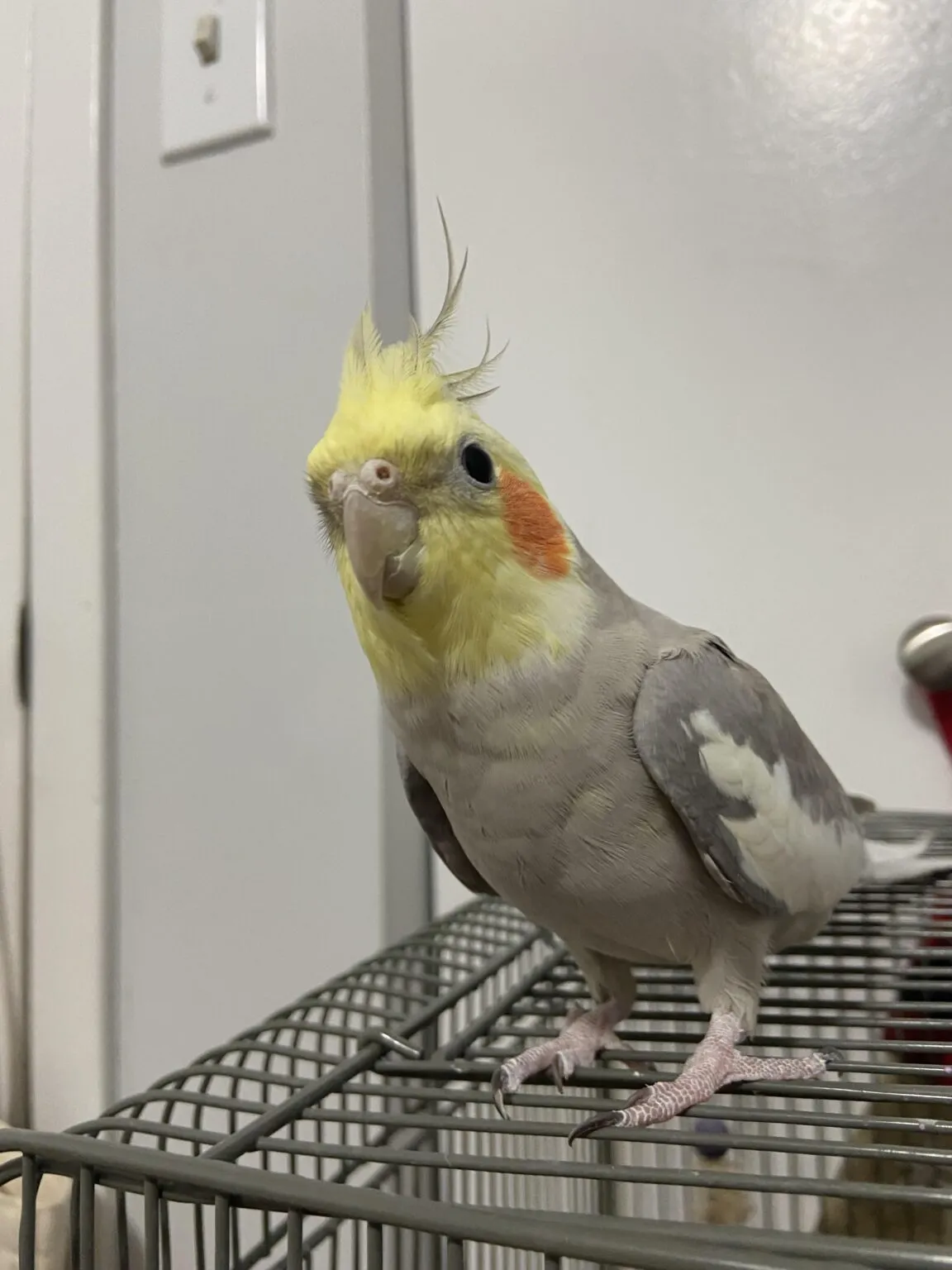
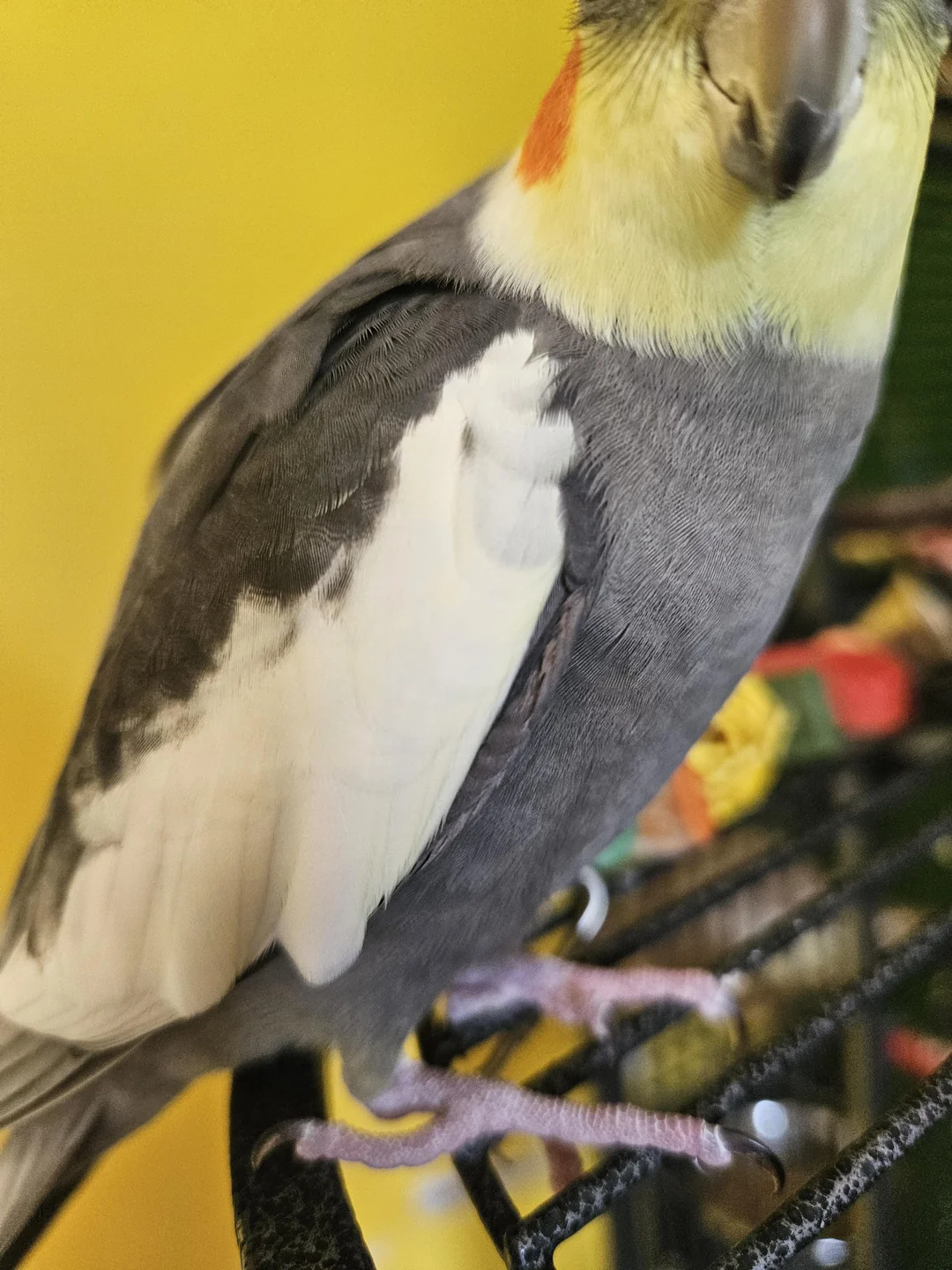
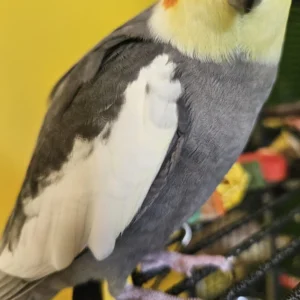
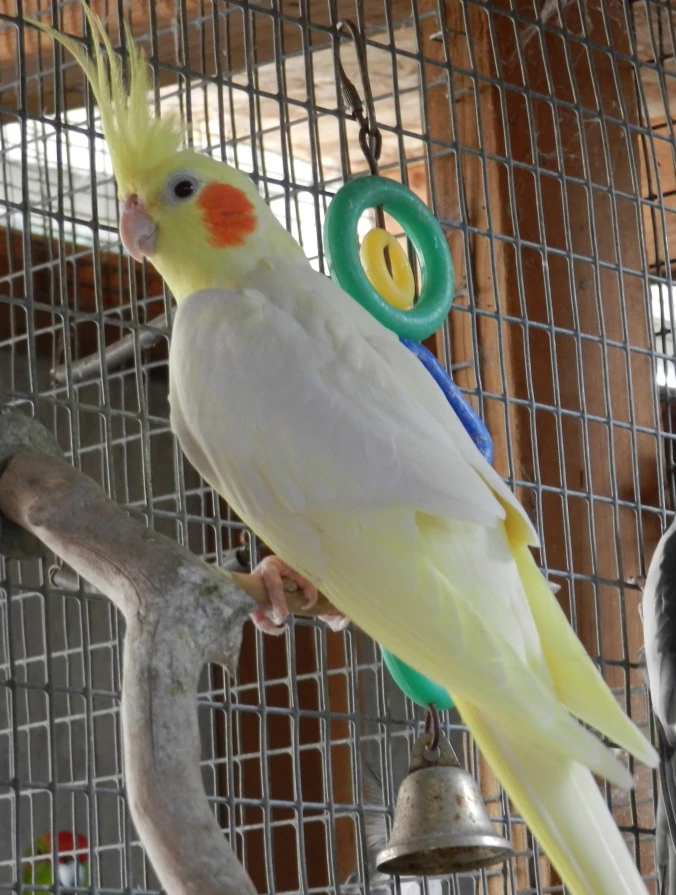
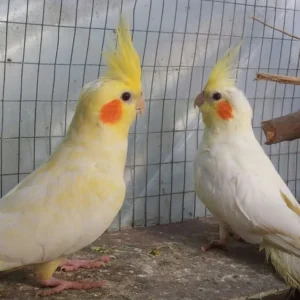
- Plumage Details: Entirely Yellow Cockatiel (ranging from pale lemon to deep gold), with no gray or black markings. Males often have brighter, more intense yellows; females are slightly duller. Key features include:
- Yellow face and crest.
- Orange-red eyes (due to lack of melanin).
- No cheek patches (unlike gray Cockatiels).
- White or pale beak and feet.
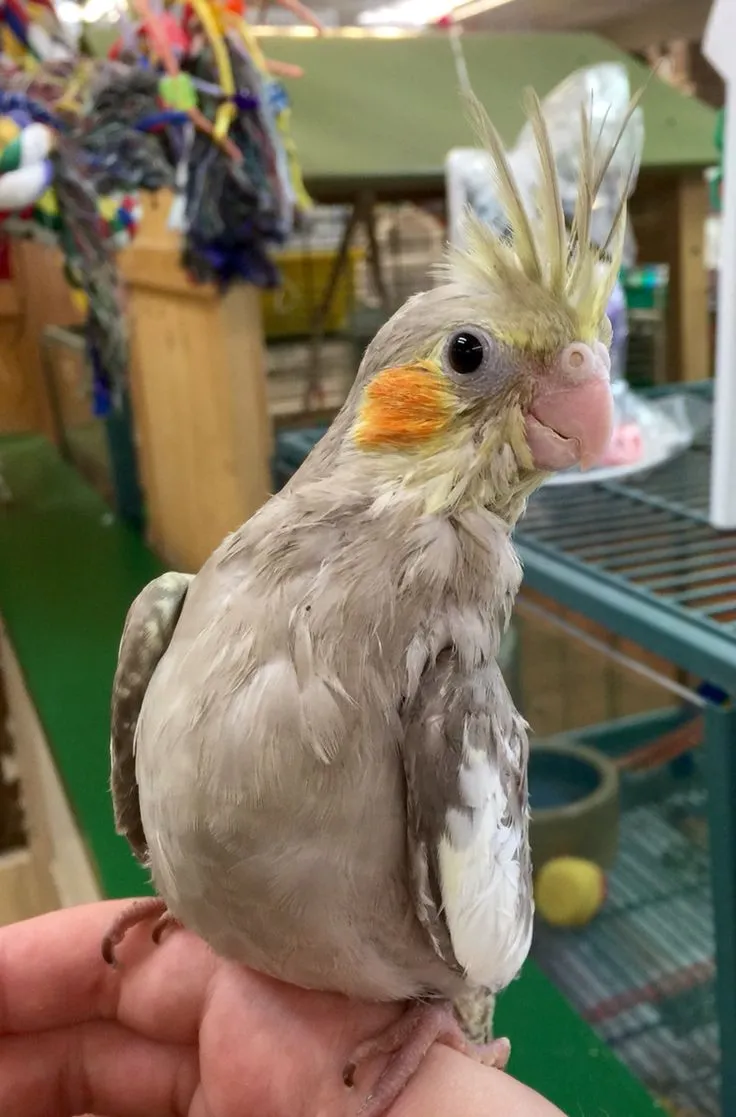
- Sexual Dimorphism: Males are more vividly colored with broader crests; females have narrower crests and subtler hues. Juveniles start with muted yellows, maturing in 6-9 months.
- Distinctive Traits: Yellow Cockatiel crest flares dramatically when excited, and their eyes are large and expressive. In flight, the yellow plumage creates a glowing effect, and their calls are soft whistles.
This uniform color makes them stand out, often described as “living sunshine.”
Habitat and Natural Range: Australian Roots to Global Aviaries
Yellow Cockatiel hail from Australia’s central deserts and grasslands, adapting to harsh, dry environments with sparse trees and water sources. The Yellow mutation, being captive-bred, doesn’t occur naturally—it’s a human-created variant.
In captivity, Yellow Cockatiels thrive in temperate settings (70-80°F or 21-27°C), with low humidity to prevent feather issues. They’re hardy, suitable for apartments or homes, and adapt well to indoor life as long as they have space to fly and socialize.
Behavior and Ecology: Playful and Personable
Yellow Cockatiel are social, intelligent birds, and Yellows embody this fully, often forming tight bonds with owners.
- Social Dynamics: Highly gregarious, they enjoy flock life or human companionship. In the wild, they travel in groups for safety; as pets, they’re affectionate “lap birds,” seeking cuddles and head scratches. They communicate via crest movements, wing flaps, and vocalizations—whistles, chirps, and mimics.
- Intelligence and Enrichment: Smart enough to learn tricks, words, and tunes, they excel at problem-solving. Play is essential; provide toys, mirrors, and swings to prevent boredom, which can cause screaming or plucking.
- Diet: Omnivorous in the wild (seeds, grasses, fruits, insects), captive Yellows need a balanced mix: 70% pellets/seeds, 20% veggies/fruits (e.g., carrots, apples), and 10% nuts/treats. Fresh water and grit aid digestion.
- Reproduction: Spring/summer breeders, nesting in boxes with 4-6 eggs incubated 18-21 days. Pairs share parenting, with chicks fledging at 4-5 weeks.
- Temperament: Gentle and loyal, they can be vocal (males more so) and may hiss if threatened. Yellows are known for “dancing” to music and forming strong attachments, sometimes showing jealousy.
Their sunny disposition makes them excellent for families or therapy.
Conservation and Health: Robust but Requiring Care
Yellow Cockatiel are Least Concern per IUCN, with healthy populations. Yellows, as mutations, face no conservation threats but highlight pet bird welfare.
- Health Focus: Prone to obesity (from seeds), respiratory issues, and PBFD. Lutinos may have vision sensitivities due to red eyes. Lifespan: 15-25 years with proper care—annual vet visits, clean cages, and a varied diet are crucial.
- Breeding Ethics: Avoid inbreeding; screen for diseases. Support ethical breeders to prevent overbreeding.
- Global Context: As popular pets, they promote avian awareness, but wild Cockatiel trade remains an issue in some areas.
Cultural and Human Connections: Symbols of Joy
In Australian Aboriginal lore, Yellow Cockatiel represent freedom and the outback. The Yellow mutation has made them cultural icons.
- Pet Appeal: Beloved for their small size, low noise, and friendliness, they’re ideal for beginners. Often used in therapy, providing comfort.
- Media Presence: Featured in films, ads, and art as cheerful symbols. Breeding shows celebrate their colors.
- Community: Enthusiast groups share tips, fostering a supportive network.
Fun Facts and Additional Insights
- Lifespan: 15-25 years, with some reaching 30+.
- Vocal Abilities: Males learn phrases; Yellows whistle melodies.
- Unique Habits: They preen meticulously and enjoy baths. Some “talk” in context.
- Diet Tips: Include leafy greens; avoid toxins like avocado.
- Mutation Combos: Can pair with others (e.g., Yellow Pearl) for hybrids.
- Economic Aspect: Cost $100-300; breeding is a lucrative hobby.
- Research Insight: Studies on their color genetics inform avian evolution.
The Yellow Cockatiel brings a burst of color and companionship to any home, embodying the fun side of parrot ownership. If you’d like care instructions, breeding advice, a story featuring a Yellow Cockatiel, or details on other mutations, just let me know!
Reviews
There are no reviews yet.
Related products
Cockatiels
Cockatiels
Be the first to review “Yellow Cockatiel”