Splendid Parakeets
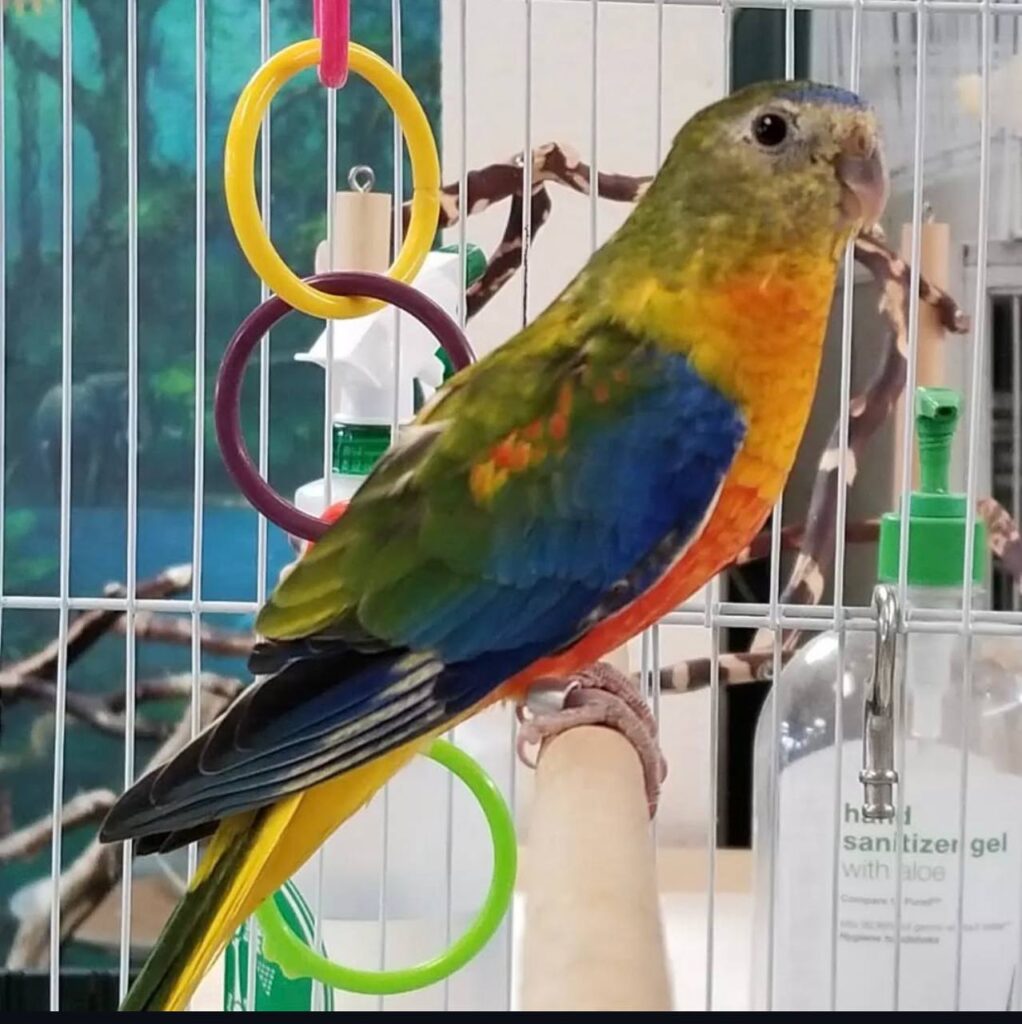
Splendid parakeets, scientifically Neophema splendida, are a stunning small parrot species hailing from Australia’s arid interior. Renowned for their iridescent plumage and active personalities, these grass parakeets also called scarlet-chested parakeets offer a splash of outback color for dedicated bird keepers.
Native to central Australia’s spinifex plains and mulga scrub, Splendid parakeets (Neophema splendida) were first collected in 1865. They form nomadic flocks, feeding on grass seeds.
Physical profile:
- Size: 7-8 inches long; 35-45 grams.
- Wild Plumage: Males—vibrant turquoise face/wings, yellow-green body, scarlet chest patch; females duller olive-green.
- Distinctives: Long tails, fine barring, red “shoulder” spots.
Dimorphic: Males flash color in courtship; imported since 1970s, now captive-bred staples.
Subspecies and Mutations
Two subspecies:
| Subspecies | Location | Traits |
|---|---|---|
| N. s. splendida | Central Australia | Larger chest patch |
| N. s. tunneyi | Western Australia | Smaller, paler |
Captive mutations rare but include:
- Blue: Turquoise intensified.
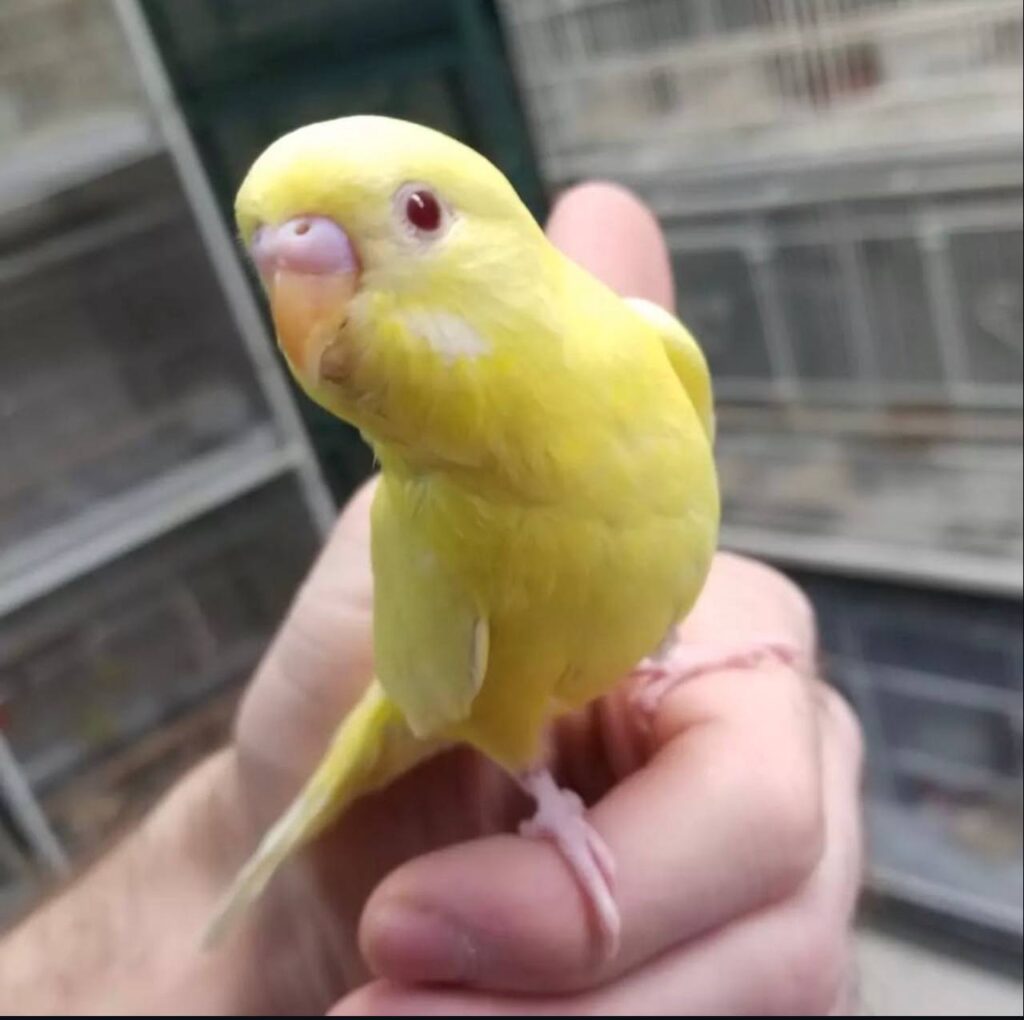
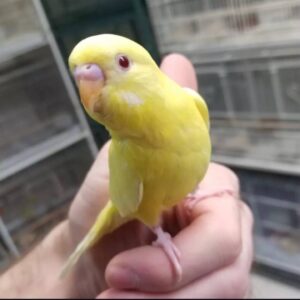
- Lutino: Yellow with red eyes.
- High Yellow: Enhanced yellows.
Wild-type dominant in pet trade.
Physical Appearance and Sexing
Males dazzle:
- Head/Wings: Cobalt blue mask, turquoise flights.
- Body: Grass green, crimson chest.
- Females: Subdued green, minimal red.
- Juveniles: Duller; sexes separate post-molt (3 months).
Health: Glossy feathers, bright eyes, agile flight.
Personality and Behavior
Lively yet manageable:
- Flocking: Social nomads; pair bonds lifelong.
- Active: Ground-seeders, dust-bathers, aerial acrobats.
- Vocal: Soft chirps, warbles; males trill (75 dB max).
- Temperament: Shy initially; tame to hand-feed.
Lifespan: 8-12 years.
Housing Splendid Parakeets
Outback replication:
- Aviary: 6x3x6 ft min. per pair; planted flight.
- Cage: 24x18x24″ temporary.
- Perches: Spinifex-like branches (1/4-1/2″).
- Plants: Native grasses, safe shrubs.
UVB 12+ hours; 65-85°F dry.
Nutrition for Splendid Parakeets
Seed-centric:
| Food | % | Examples |
|---|---|---|
| Grass Seeds | 60% | Panicum, foxtail millet |
| Greenfood | 25% | Seeding weeds, chickweed |
| Veggies | 10% | Corn, carrot tops |
| Sprouts/Fruit | 5% | Alfalfa, small berries |
Live insects seasonally; cuttlebone.
Health Management
Fragile flyers:
| Condition | Signs | Action |
|---|---|---|
| Obesity | Reduced flight | Seed reduction |
| Coccidiosis | Diarrhea | Medicated water |
| Egg Binding | Puffed, straining | Vet calcium injection |
| French Moult | Tail/wing loss | Supportive care |
Quarantine 40 days; annual vet.
Training Insights
Patience pays:
- Taming: Millet lure to finger.
- Flight Recall: Aviary conditioning.
- Limited talking; visual cues excel.
Breeding Splendid Parakeets
Seasonal wizards:
- Timing: Spring (14-hour light).
- Nest: 6x6x10″ box; wood shavings.
- Clutch: 4-6 eggs; 18-day incubation; fledge 3-4 weeks.
- Parents: Biparental; males feed females.
2 clutches/year max.
Appeal of Splendid Parakeets
Exotic gems:
- Stunning sexual dichromatism.
- Active entertainment.
- Moderate noise.
Pros: Beautiful, hardy breeders. Cons: Aviary needs, dimorphism learning curve.
Splendid parakeets sparkle with outback splendor—iridescent jewels for aviaries.
Reviews
There are no reviews yet.
Related products
Parakeets Parrot
Parakeets Parrot
Parakeets Parrot
Be the first to review “Splendid Parakeets”