Rose Bourkes Parakeets
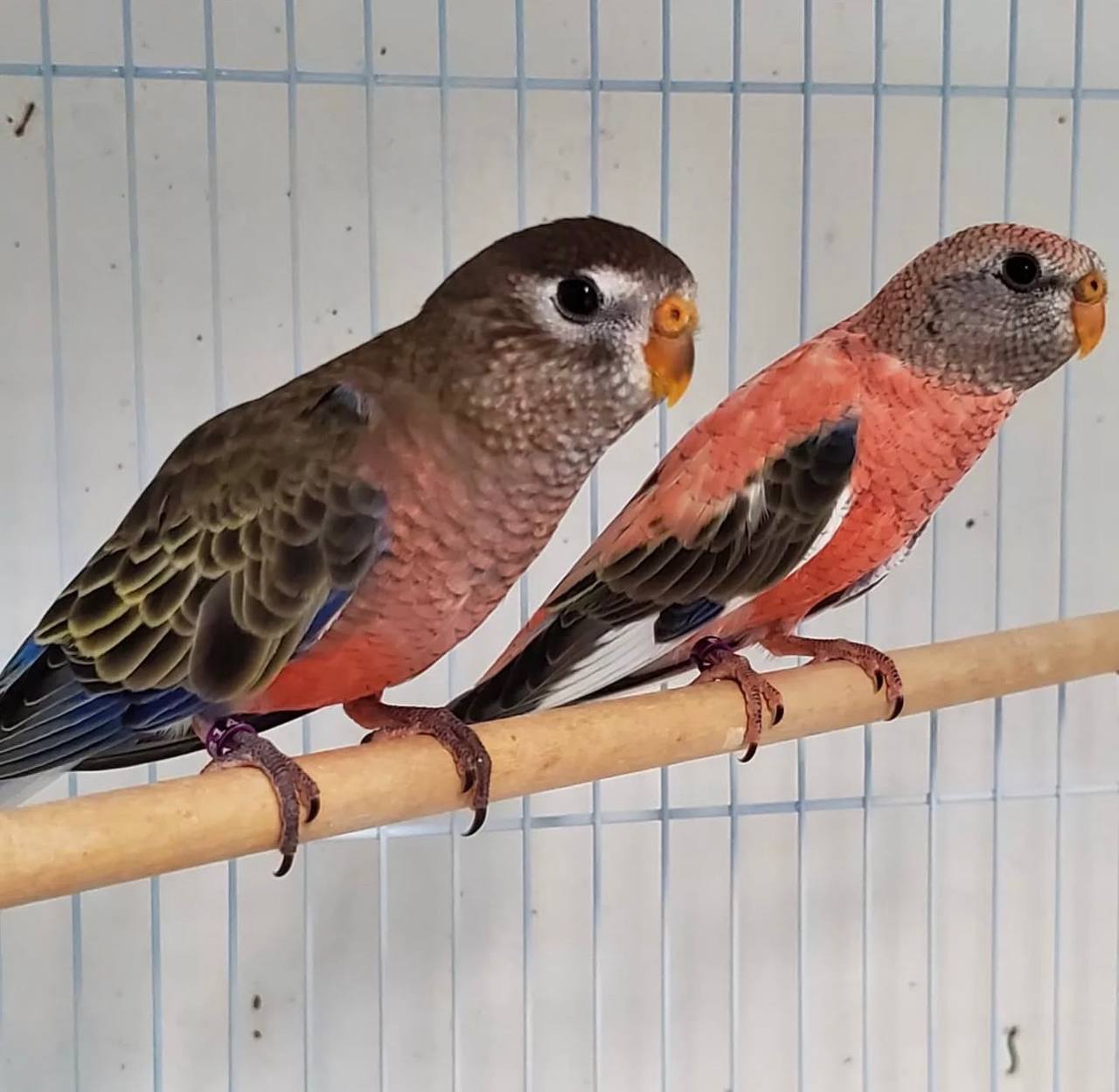
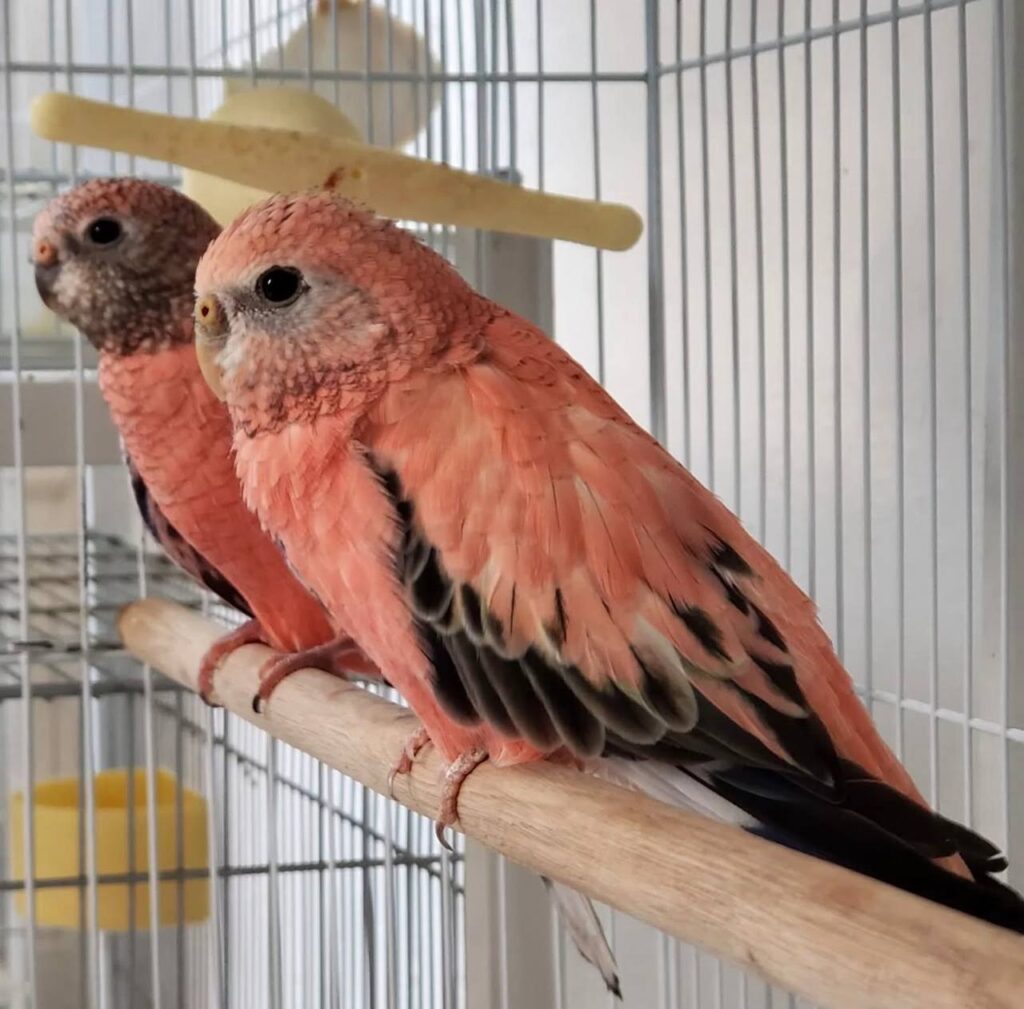
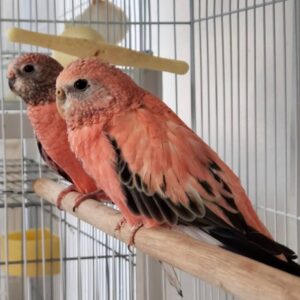
Rose Bourke’s parakeets, a delightful color mutation of the Bourke’s parakeet (Neopsephotus bourkii), captivate with their soft rose-pink plumage and serene demeanor. Native to Australia’s arid inland, these small grass parakeets offer a peaceful alternative to noisier birds like budgies or Quakers.
Bourke’s parakeets, first described in 1846, hail from central Australia’s spinifex grasslands. The “Rose” mutation, developed in captivity since the 1970s, shifts the wild peach-brown tones to a pastel pink, creating one of the most sought-after varieties.
Specs:
- Size: 7-9 inches long; 45-55 grams.
- Appearance: Rounded body, long tapered tail, subtle barring.
- Rose Traits: Soft pink body/head, blue primaries, white belly patch; males brighter vent feathers.
Monomorphic but males show more blue in flight. Ideal for apartments—their gentle coos rarely exceed 70 dB.
Genetics of Rose Bourkes Parakeets
Rose is a recessive mutation diluting melanin for pink hues.
- Genotypes:
| Phenotype | Pairing Outcome |
|---|---|
| Rose x Rose | 100% Rose |
| Rose x Normal | 50% Rose, 50% Split |
| Split x Split | 25% Rose, 50% Split, 25% Normal |
Combos: Peach (yellow rose), white (double dilute). Australian breeders pioneered stable lines.
Physical Characteristics and Identification
Rose Bourke’s charm:
- Plumage: Dusty rose fading lighter ventrally; blue wing flashes.
- Eyes/Beak: Red-brown eyes, compact beige beak.
- Juveniles: Duller pink; mature by 3 months.
- Health Markers: Sleek feathers, alert posture, clear eyes.
Vs. wild Bourke’s: Pink replaces brown/peach.
Temperament and Behavior
Epitome of tranquility:
- Personality: Shy yet curious; hand-tame with patience.
- Social: Pair bonds strong; small flocks harmonious.
- Activity: Ground foragers, dust-bathers; soft twittering songs.
- Interaction: Less cuddly than cockatiels but perch-friendly.
Lifespan: 10-15 years.
Housing for Rose Bourke’s Parakeets
Grassland simulation:
- Cage: 24x18x24″ min. per pair; flight room preferred.
- Perches: Thin branches (1/4-1/2″); no swings (tail-sensitive).
- Substrate: Paper/floor grit for scratching.
- Enrichment: Millet stalks, safe chew toys.
Conditions: 65-80°F; 40-50% humidity; UVB essential.
Diet and Feeding Guide
Seed-heavy, natural:
| Category | % | Favorites |
|---|---|---|
| Small Seeds | 70% | Panicum millet, canary, oat |
| Greens | 20% | Chickweed, seeding grasses |
| Veggies/Fruit | 10% | Shredded carrot, apple |
Sprouted seeds boost nutrition; eggshell calcium.
Health and Wellness
Delicate but robust:
| Issue | Symptoms | Prevention |
|---|---|---|
| Obesity | Lethargy, fatty liver | Limited millet |
| Egg Binding | Distress | Calcium, box size |
| Psittacine Beak/Foot | Overgrowth | Mineral perches |
| Respiratory | Tail bob | Dust-free environment |
Vet: Annual avian exams; fecal tests.
Training Rose Bourkes Parakeets
Gentle methods:
- Taming: Treat recall (millet).
- Flight Training: Harness/target.
- Minimal talking; focus on trust.
Breeding Rose Bourkes Parakeets
Prolific in season:
- Box: 8x8x12″ sloped; pine shavings.
- Clutch: 4-7 eggs; 18-19 days incubation; fledge 4 weeks.
- Parents: Excellent rearers; 2-3 clutches/year.
Sex pairs young (8 months).
Why Rose Bourkes Parakeets?
Standouts:
- Quiet beauty.
- Low-maintenance.
- Pair perfection.
Pros: Peaceful, hardy. Cons: Flighty, less interactive.
Rose Bourke’s parakeets paint homes pink with poise—serene skies in feather form.
Reviews
There are no reviews yet.
Related products
Parakeets Parrot
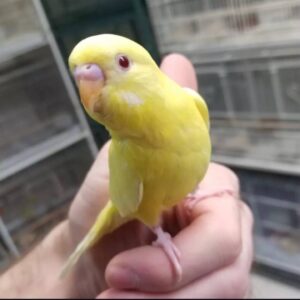
Parakeets Parrot
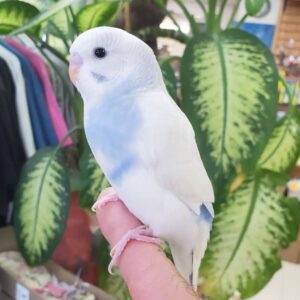
Parakeets Parrot
Be the first to review “Rose Bourkes Parakeets”